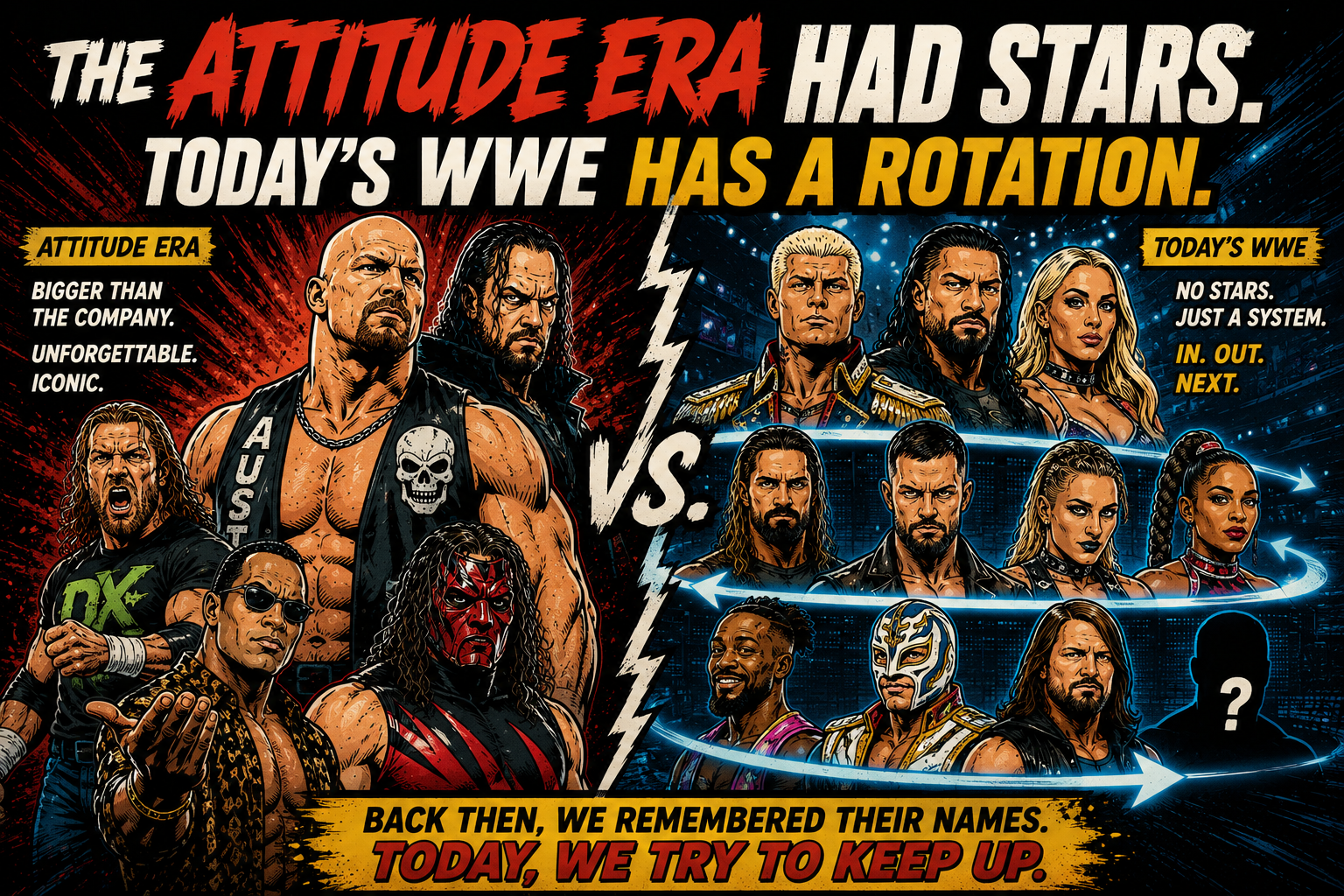
The Attitude Era thrived because championships felt attainable. While WWE had its top stars, almost anyone could rise to the occasion and win a title, creating genuine unpredictability. Today, most championships revolve around the same handful of performers, leaving much of the roster without a believable path to success. Has WWE traded suspense for stability?
Wrestling fans have long memories, and WWE shouldn't write stories as if they don't. Alexa Bliss' latest injury angle wasn't unbelievable because of Jade Cargill—it was unbelievable because it contradicted years of established character history.
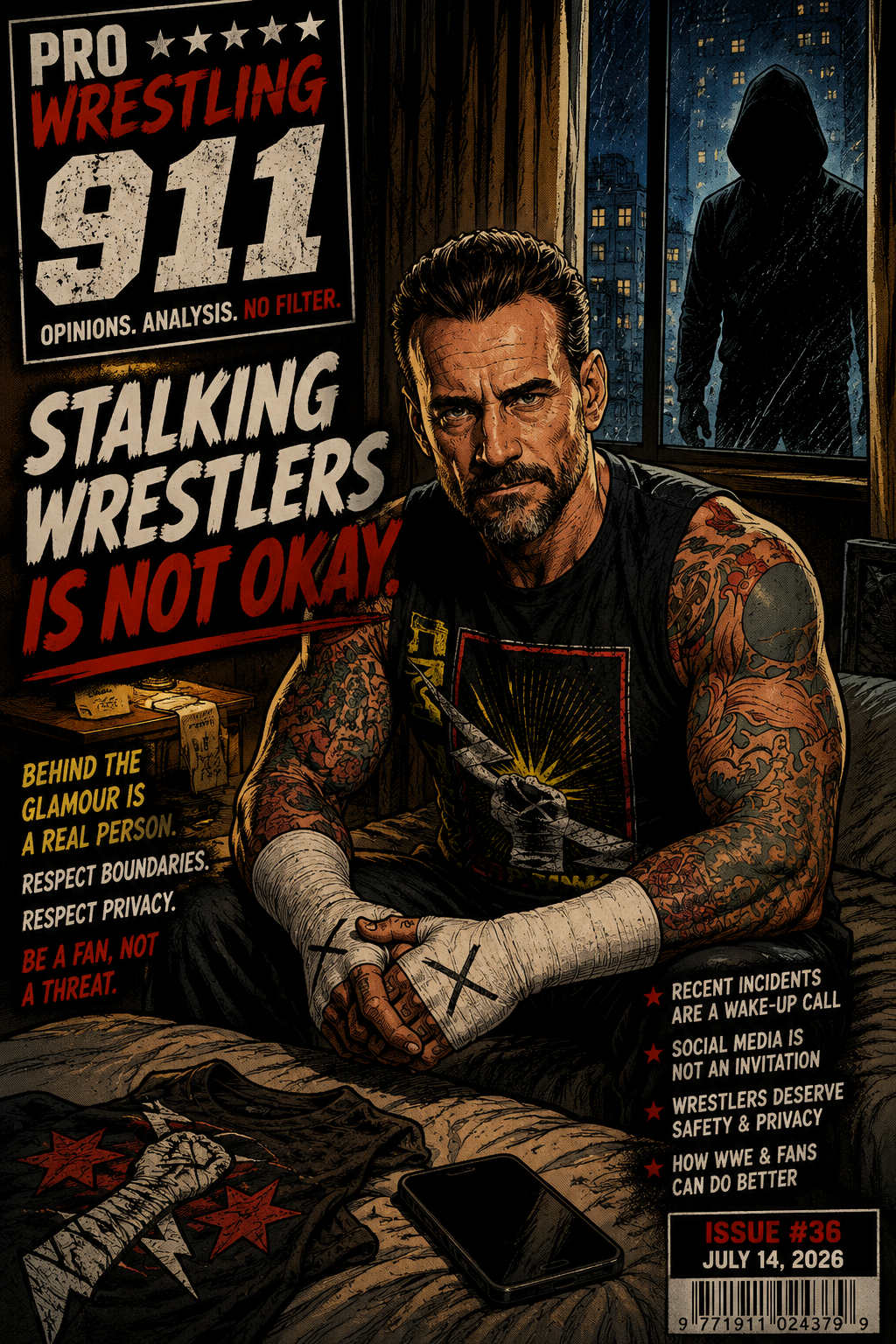
Being a wrestling fan doesn't give you unlimited access to the people behind the characters. Whether it's waiting at airports, hanging around hotels, or demanding autographs, too many fans have crossed the line from admiration to entitlement. CM Punk isn't the issue—the culture surrounding celebrity obsession is.
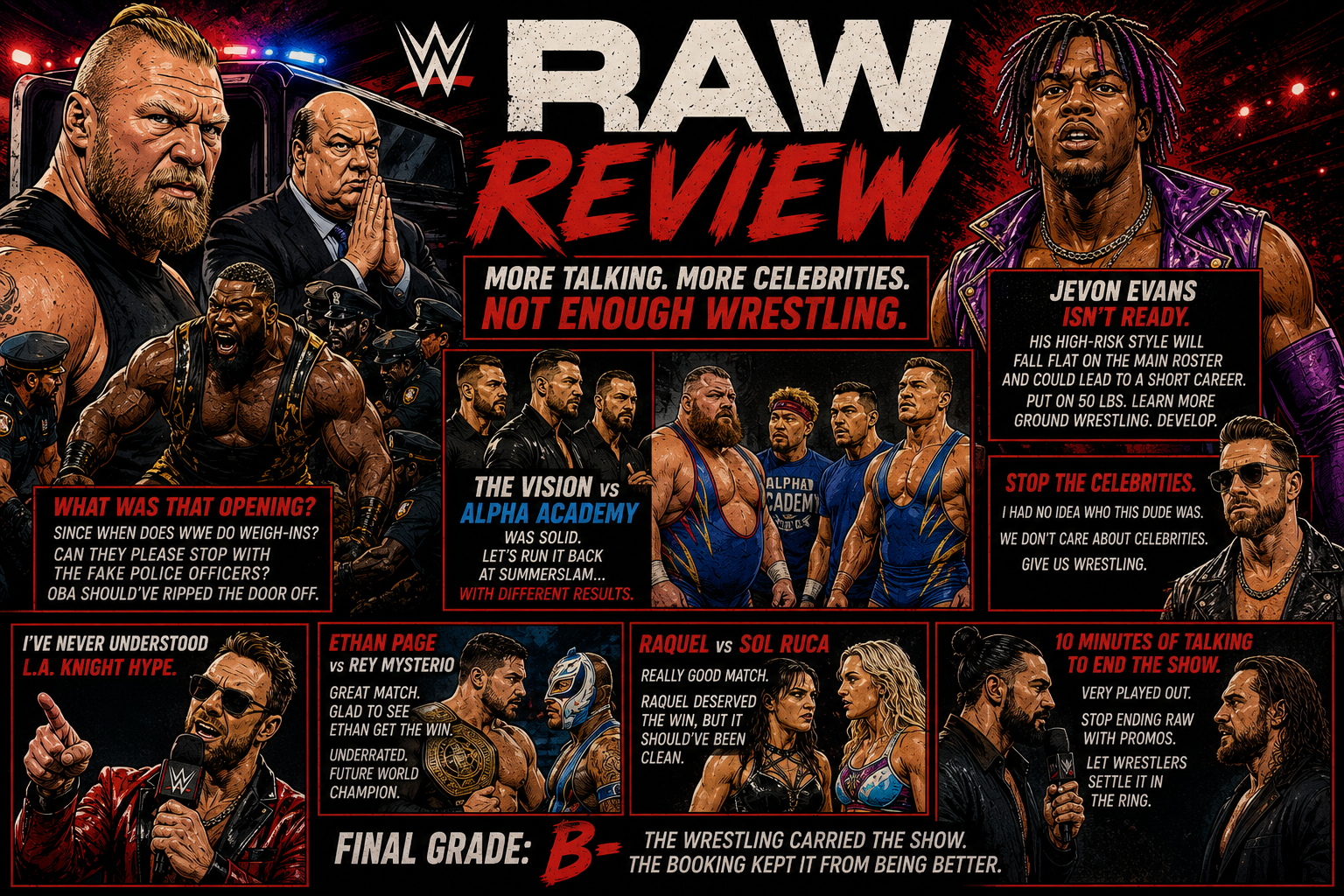
WWE Raw had its moments this week, but by the time the show ended, it felt like another episode that spent far too much time trying to entertain everyone except wrestling fans.
This opinion piece examines why AEW has yet to become WWE's first true long-term rival despite having the talent, television exposure, and financial backing to do so. From relying too heavily on former WWE stars to creating secondary championships without distinct identities, it explores the strategic decisions that have limited AEW's growth—and argues that meaningful competition with WWE will require building a unique identity rather than following WWE's blueprint.
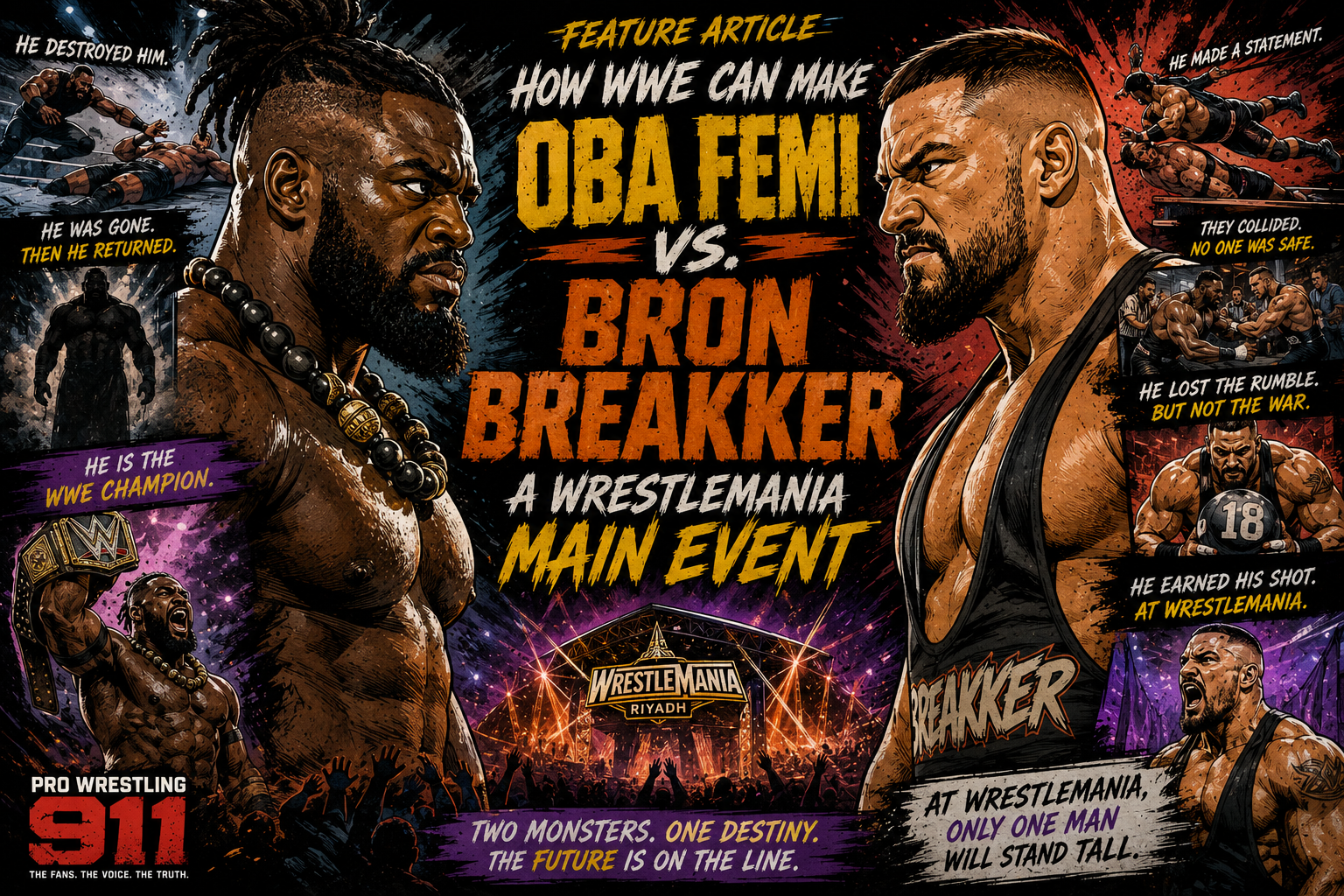
This article lays out a long-term plan to turn Oba Femi vs. Bron Breakker into a true WrestleMania main event. Instead of building the rivalry around jealousy, WWE should embrace the natural intensity between two of its most explosive young stars, letting them attack, pursue and narrowly miss each other for months. Through Survivor Series, the Royal Rumble and Elimination Chamber, the rivalry gradually escalates until there’s only one question left for WrestleMania: Who really is the future of WWE?
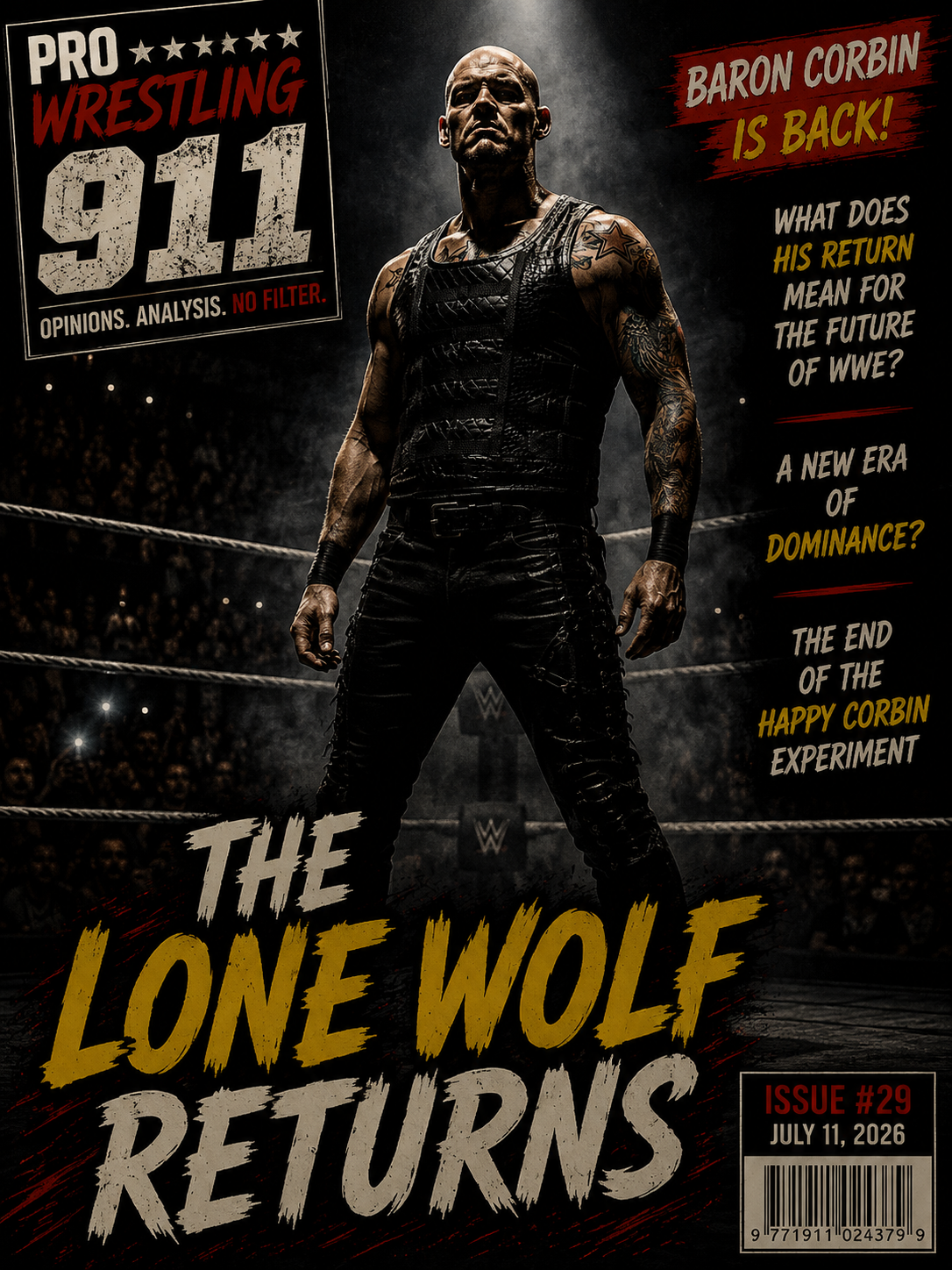
Baron Corbin's surprise return wasn't memorable simply because of who came back—it was memorable because nobody saw it coming. In an era where wrestling news is often spoiled days in advance, WWE reminded fans that surprise is one of the industry's greatest strengths, and the crowd's reaction proved just how much they've missed that feeling.
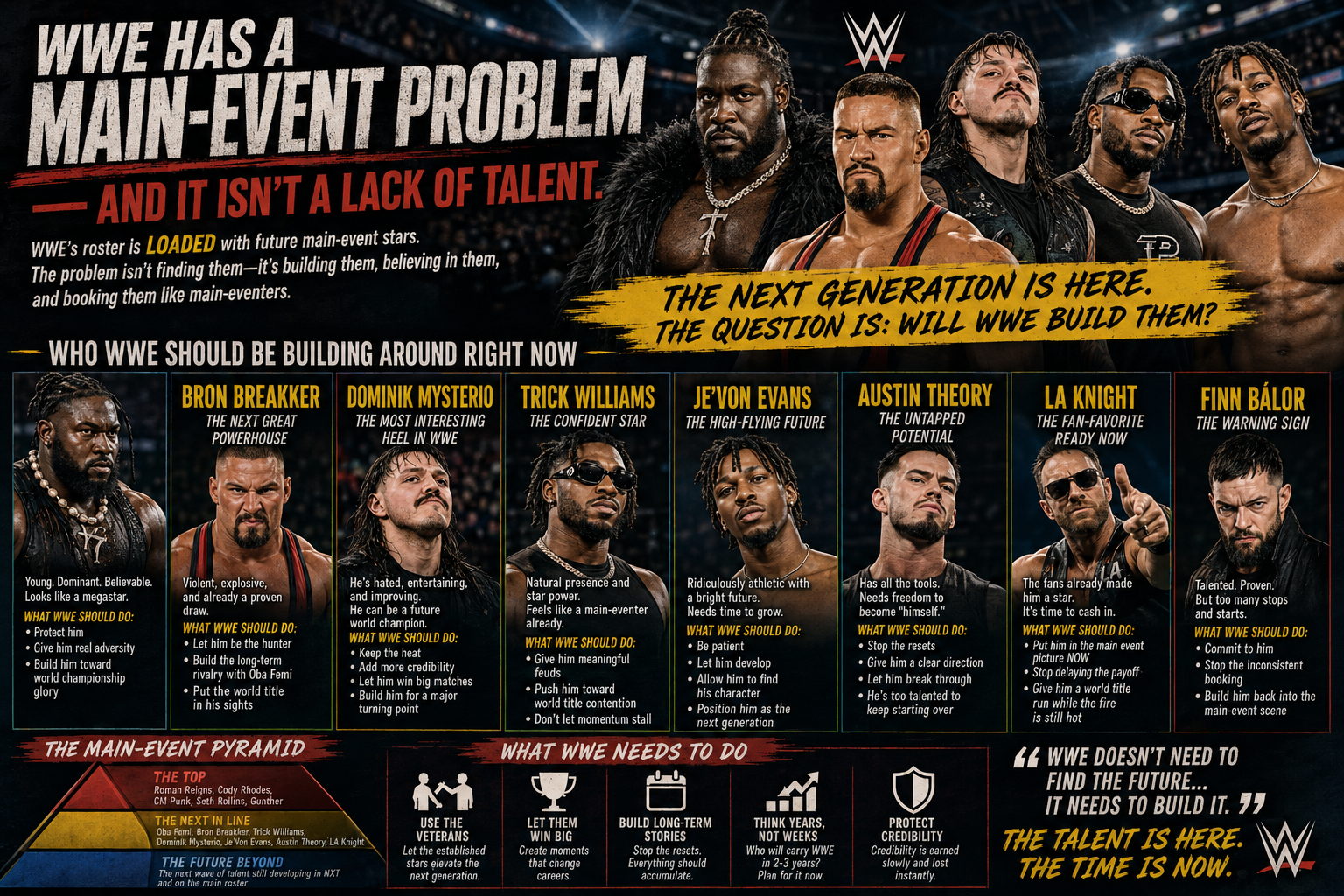
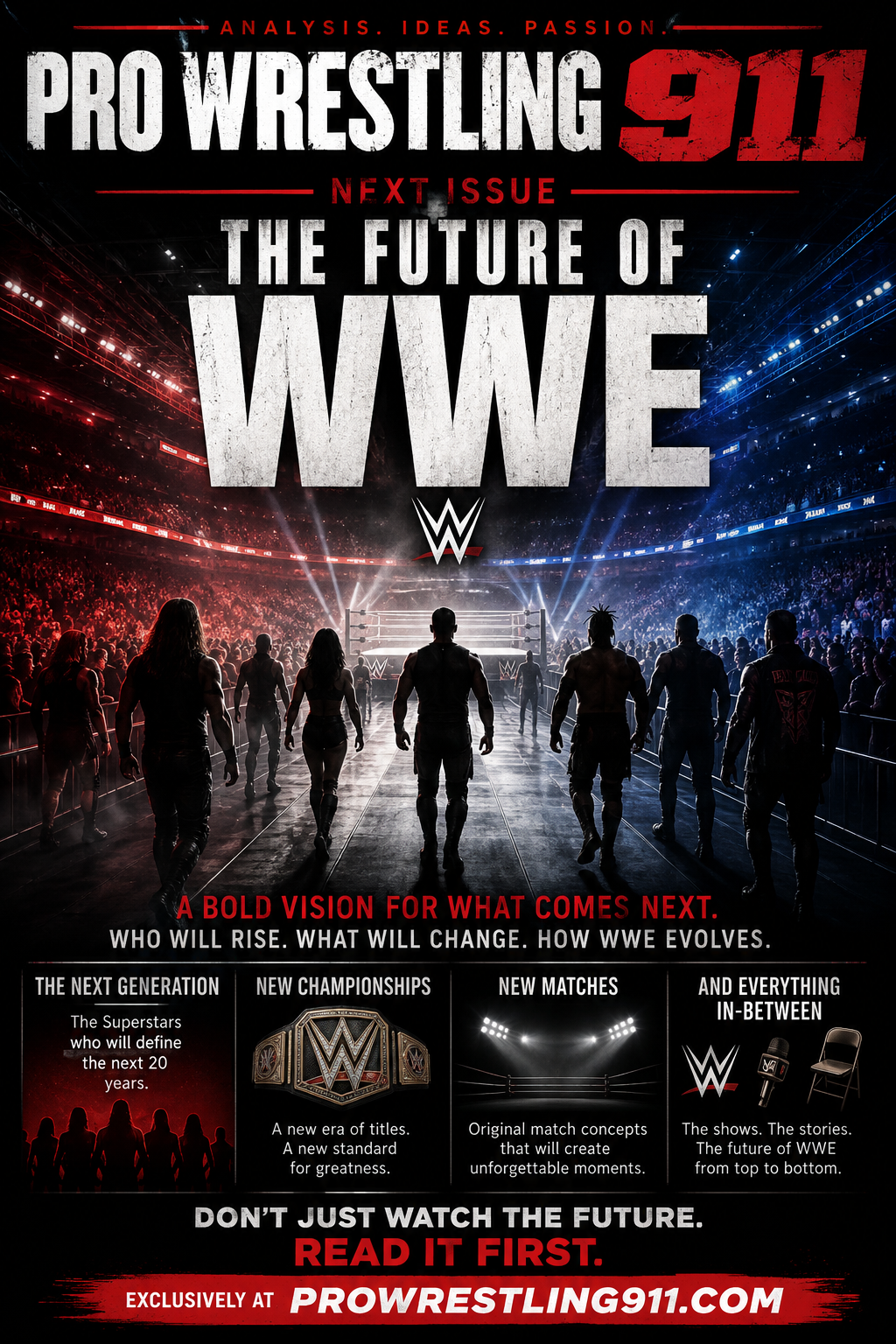
WWE doesn’t have a shortage of future main-event talent—it has a problem turning that potential into lasting credibility. From Oba Femi and Bron Breakker to Dominik Mysterio, Trick Williams and Je’Von Evans, the next generation is already here. This article examines how WWE can stop resetting momentum, start using established stars to elevate their successors, and build a main-event division capable of carrying the company for the next decade.
WWE is overdue for a true generational shift. For decades, each era was defined by new stars who eventually took control of the company, but today too many younger wrestlers are still playing second fiddle to veterans and nostalgia acts from previous generations.
The talent is already there. Oba Femi, Dominik Mysterio, Trick Williams, Carmelo Hayes, Tiffany Stratton, Stephanie Vaquer and many others have the potential to define WWE for the next 10–20 years. What they need is the opportunity to become the present instead of constantly being labeled the future.
By WrestleMania 44, WWE should look dramatically different, with the overwhelming majority of the card made up of wrestlers competing in their first or second WrestleMania. Veterans can still have a place, but their role should increasingly be to elevate the next generation rather than occupy the spotlight.
WWE doesn’t need to recreate the stars of the past. It needs to create new stars, new rivalries, new championships, new ma
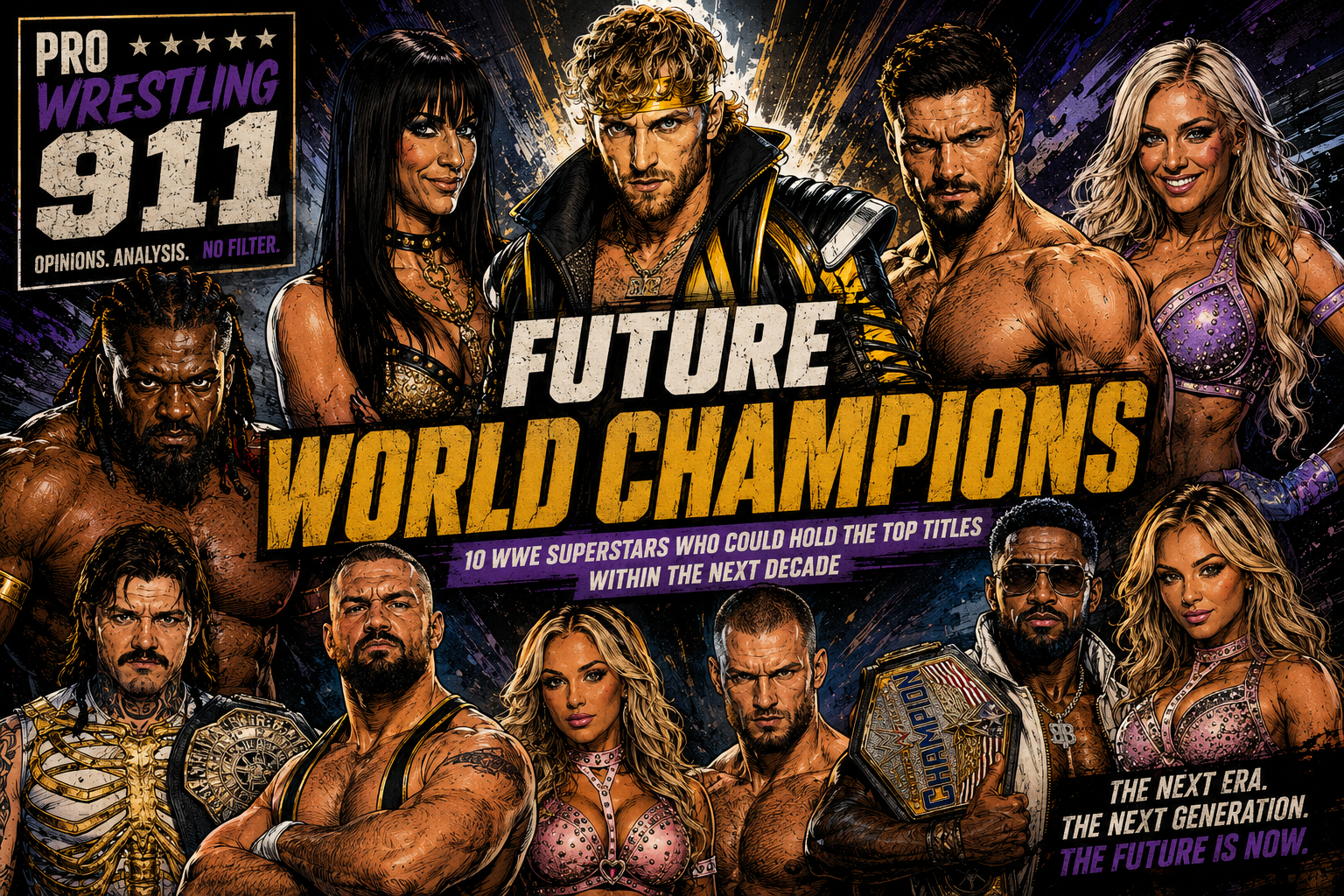
Championship predictions are always speculative, but certain wrestlers possess the talent, charisma, and momentum to eventually reach WWE's highest level. This article examines ten current stars—including established names, rising prospects, and a few dark horses—who have the greatest potential to capture one of WWE's world championships within the next decade. While every path to the top is different, each wrestler on this list has the tools to become a future face of the company if the timing and opportunities align.
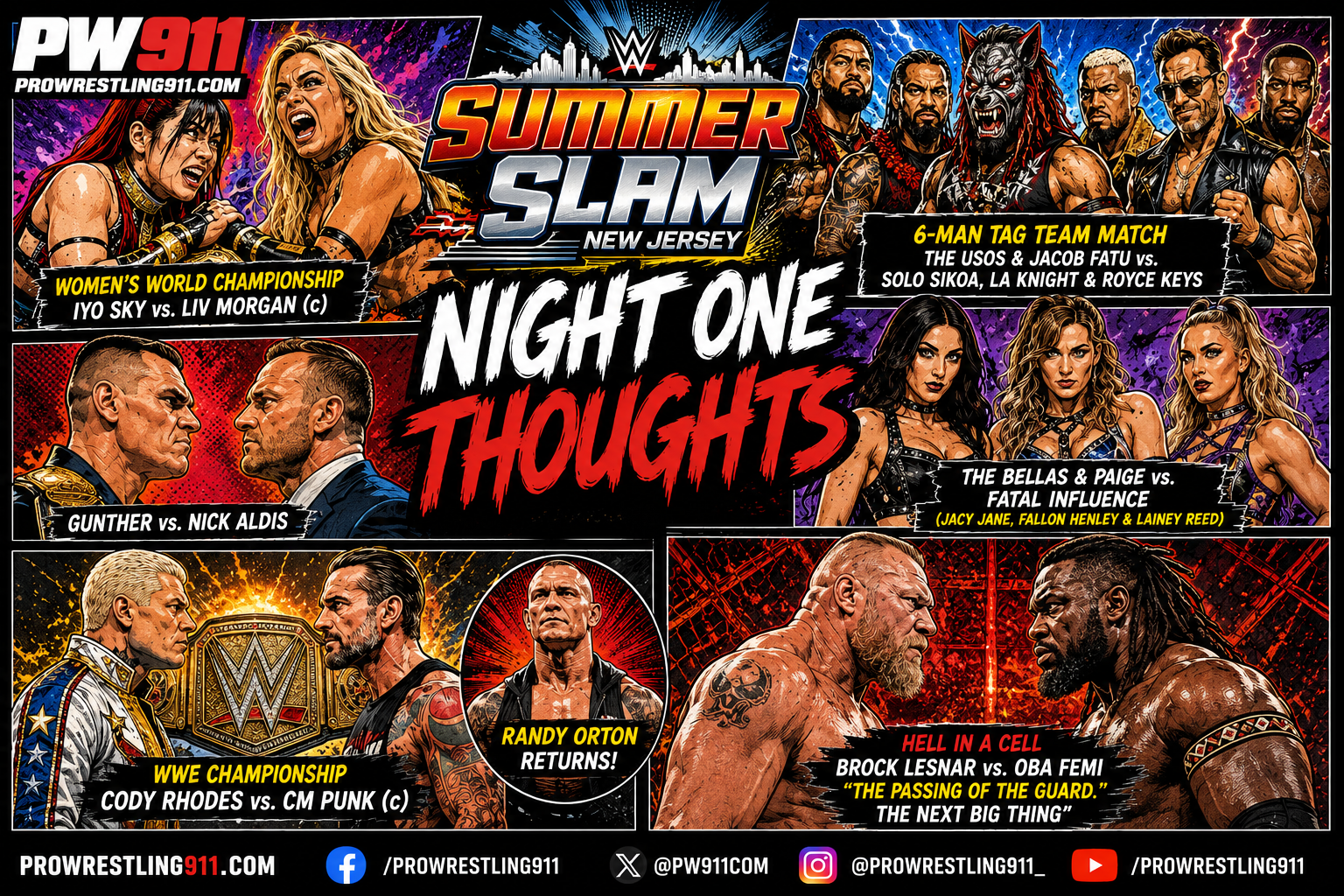
SummerSlam Night One delivered a little bit of everything—from outstanding championship wrestling to memorable returns and the potential birth of WWE’s next dominant superstar. While not every match reached its full potential, the Women’s World Championship stole the show, Brock Lesnar and Oba Femi delivered a brutal Hell in a Cell classic, and Randy Orton’s return immediately reshaped the WWE Championship picture. These are my thoughts on the night’s biggest matches, moments, and talking points.
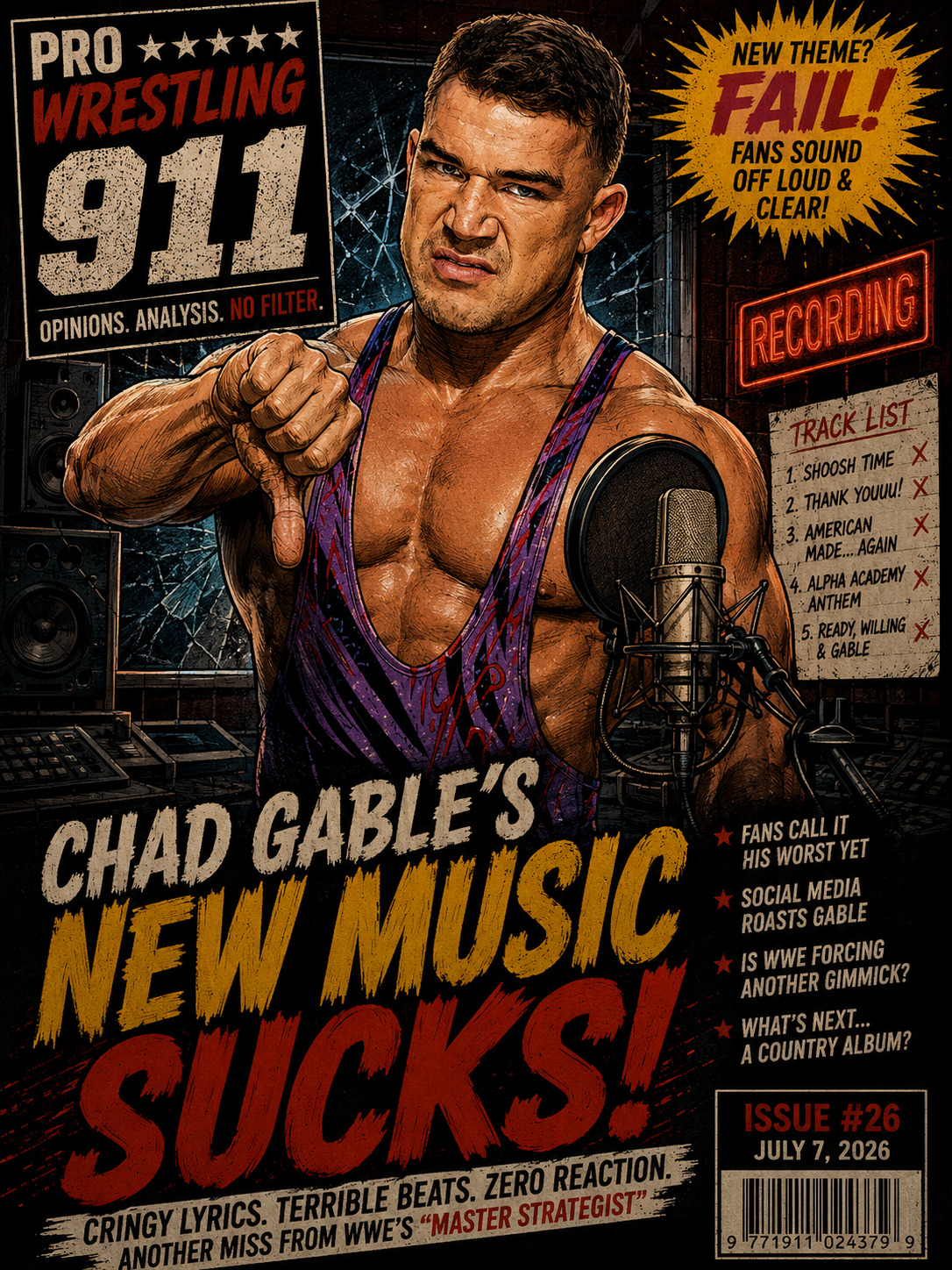
Chad Gable has all the tools to become a main-event star, but WWE's presentation of him hasn't kept pace with his talent. A new entrance theme, an updated submission, refreshed ring gear, and a stronger overall identity could be the final pieces needed to elevate one of the company's best technical wrestlers into the world title picture.
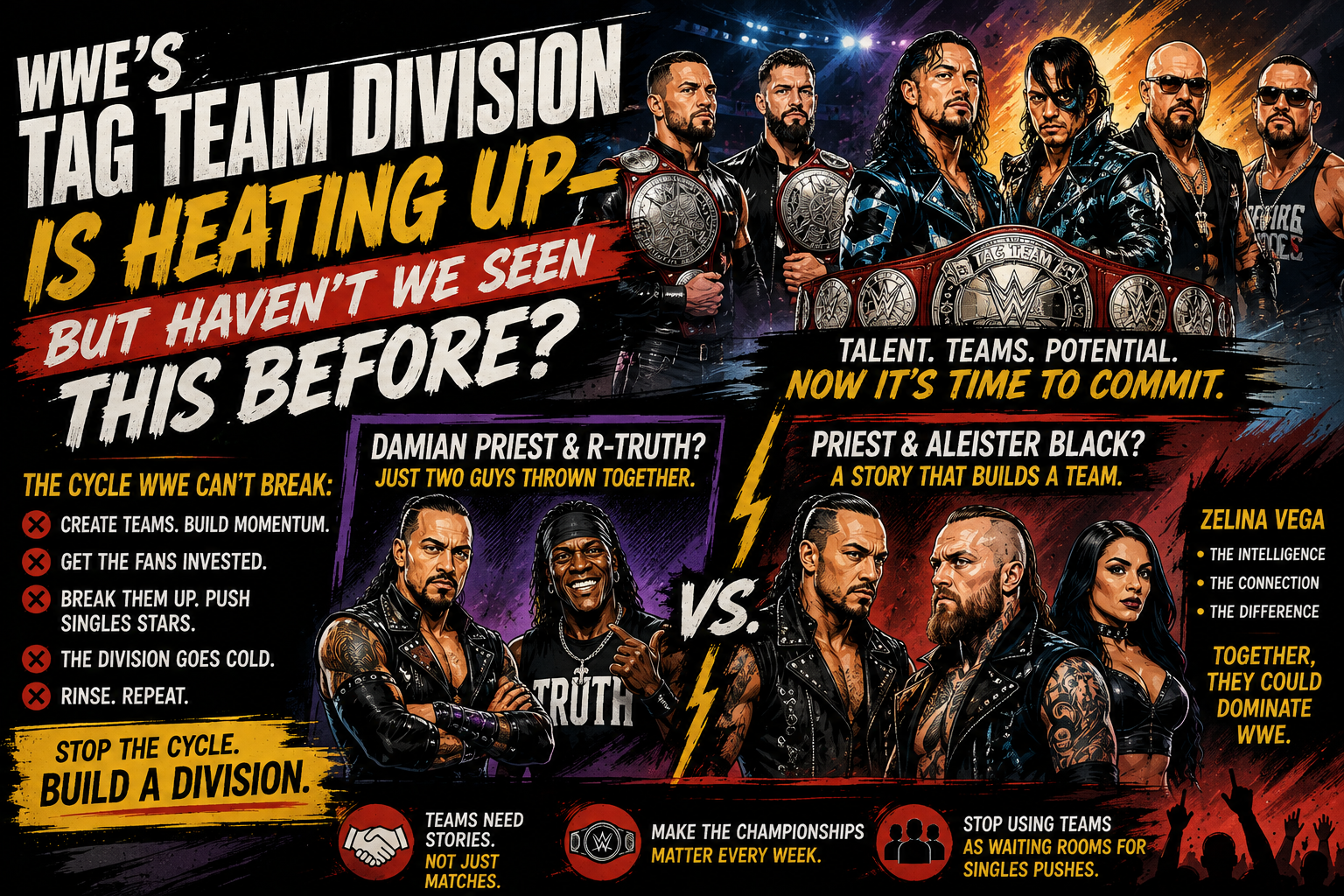
WWE’s tag team division is heating up again, but history gives fans plenty of reasons to be cautious. Too often, WWE builds momentum only to break teams apart or let the division fade into the background. Damian Priest and R-Truth show the problem with simply pairing two singles stars, while Priest’s feud with Aleister Black offered the perfect opportunity to create a team organically through rivalry and mutual respect. WWE has the talent to build a great tag division. This time, it needs to commit to it.
Professional wrestling has lost one of its most important storytelling tools: the promo that feels real. Too many promos today are overly scripted, making it difficult for fans to become emotionally invested in the characters and rivalries.
Grayson Waller’s recent promo on NXT was a reminder of what wrestling is missing. Whether it was scripted or not, he delivered it with enough passion and conviction that it felt authentic. That’s the same quality that made promos from Steve Austin, Hulk Hogan’s nWo heel turn, and CM Punk’s Pipe Bomb so memorable.
Wrestling doesn’t need more unscripted chaos—it needs more performers who are trusted to make fans believe what they’re saying. Because while matches may finish the story, great promos are what make fans care about it in the first place.
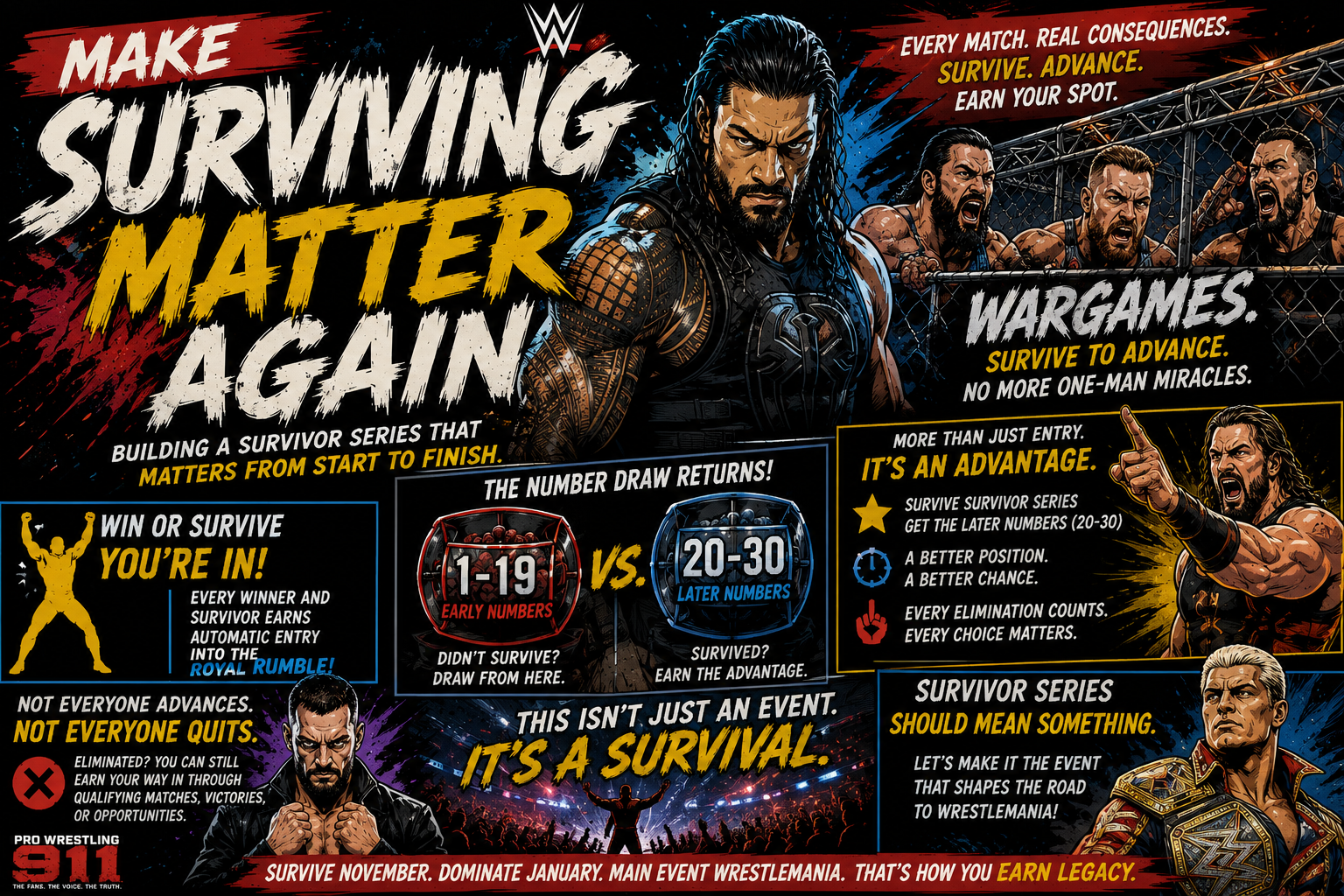
Survivor Series has become too predictable, with WWE building toward WarGames every November simply because the calendar says it’s time. This article proposes giving the entire event real consequences: winners and survivors automatically qualify for the Royal Rumble and earn the right to draw from the coveted later entry numbers. By connecting Survivor Series directly to the Royal Rumble and WrestleMania season, WWE could make every match, elimination and victory matter again.
The Vision didn't collapse because Seth Rollins left or because injuries piled up—it was flawed from the start. A faction needs a clear identity, defined roles, and a purpose that extends beyond one superstar. By tying the group too closely to Seth Rollins and overcrowding it with talent, WWE weakened what could have been one of its most dominant stables before it ever reached its full potential.
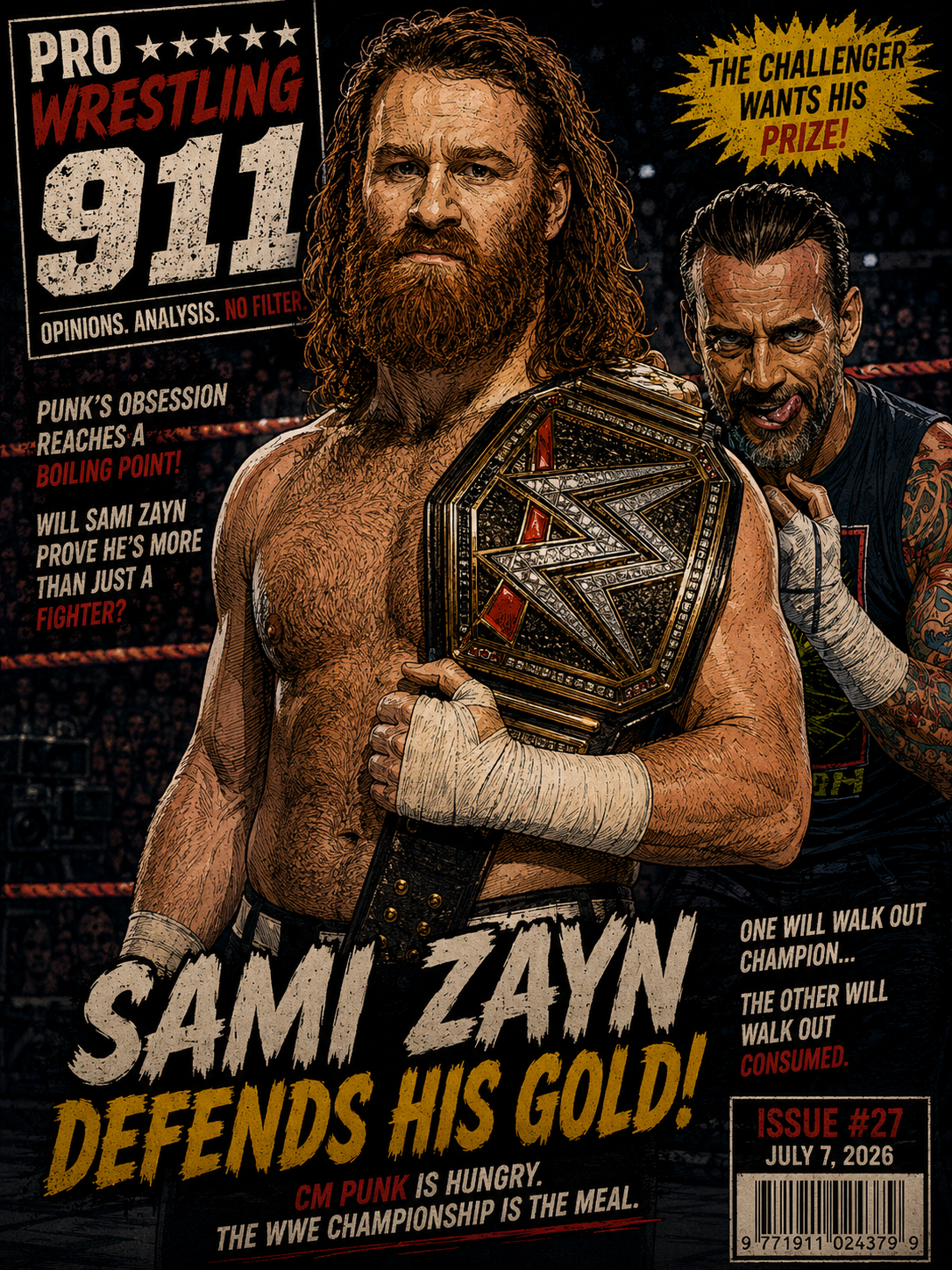
CM Punk isn't the problem—WWE's booking philosophy is. WWE continues to reward the same established stars with championship opportunities while expecting everyone else to climb the ladder. If the company wants fans to invest in new main-event talent, it has to let Sami Zayn enjoy the meaningful title reign he's spent years earning.
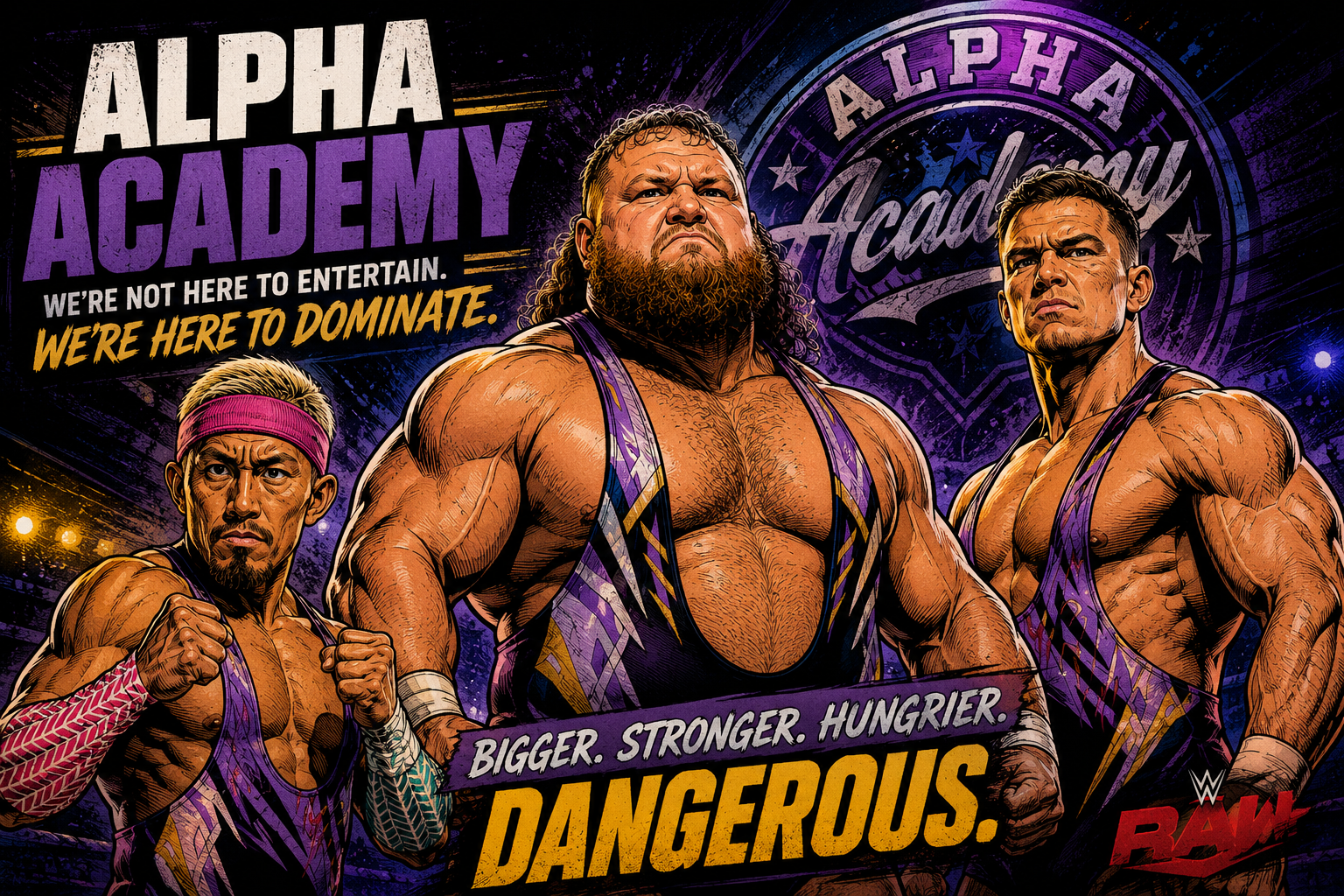
Raw planted the seeds for a potential rivalry between Alpha Academy and The Vision, but WWE has a chance to make it much bigger than a simple tag team feud. By rebuilding Otis as a legitimate powerhouse, elevating Akira Tozawa beyond comic relief, and bringing Chad Gable back at exactly the right moment, WWE could create one of the most satisfying stories heading into SummerSlam.
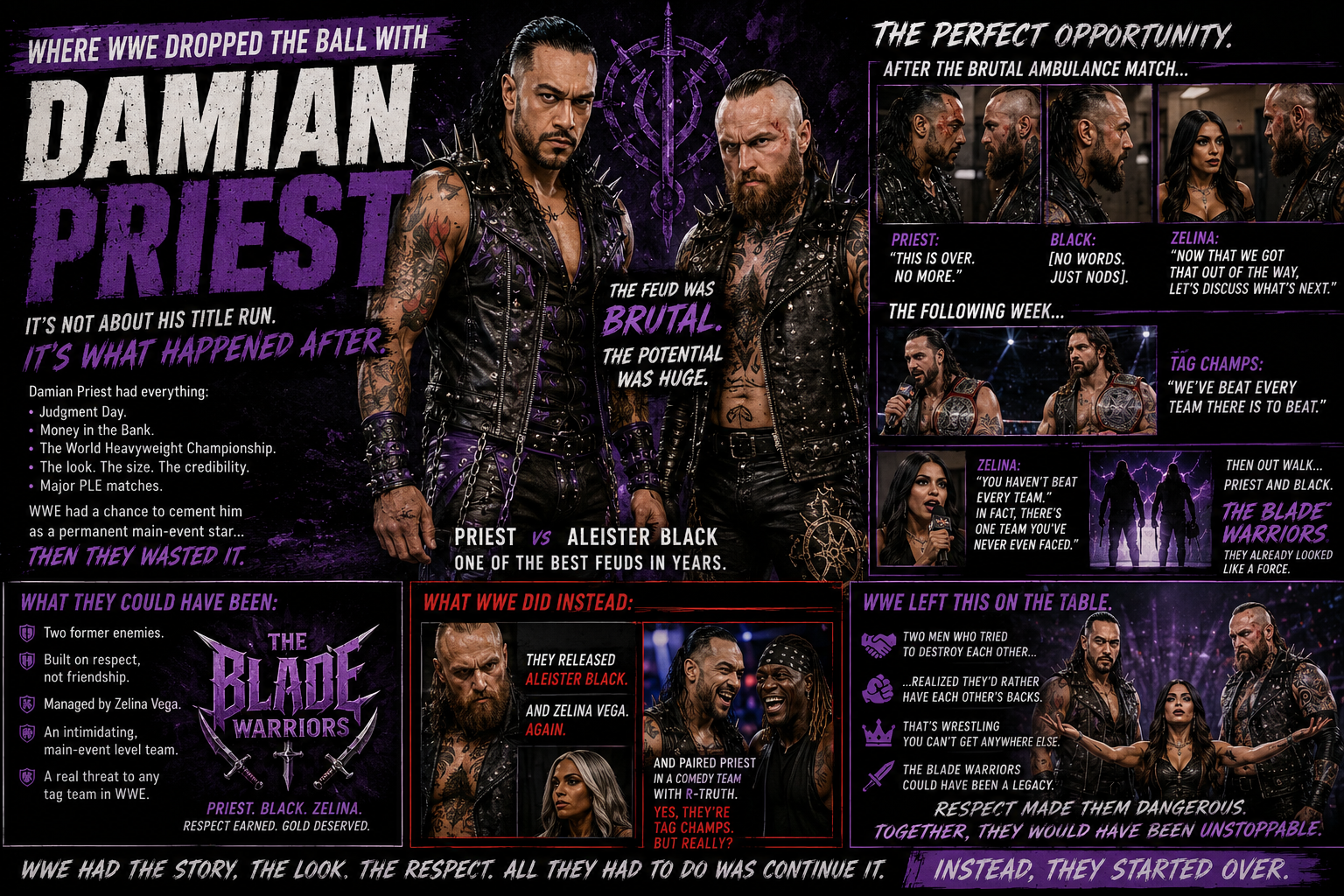
WWE didn’t drop the ball with Damian Priest during his world title reign—it happened afterward. His brutal feud with Aleister Black created the perfect opportunity to turn bitter rivals into an intimidating tag team built on mutual respect. Instead, WWE released Black and Zelina Vega and paired Priest with R-Truth. This article explores the team WWE could have created—The Blade Warriors—and how one simple continuation of an existing story could have transformed Priest’s next chapter.
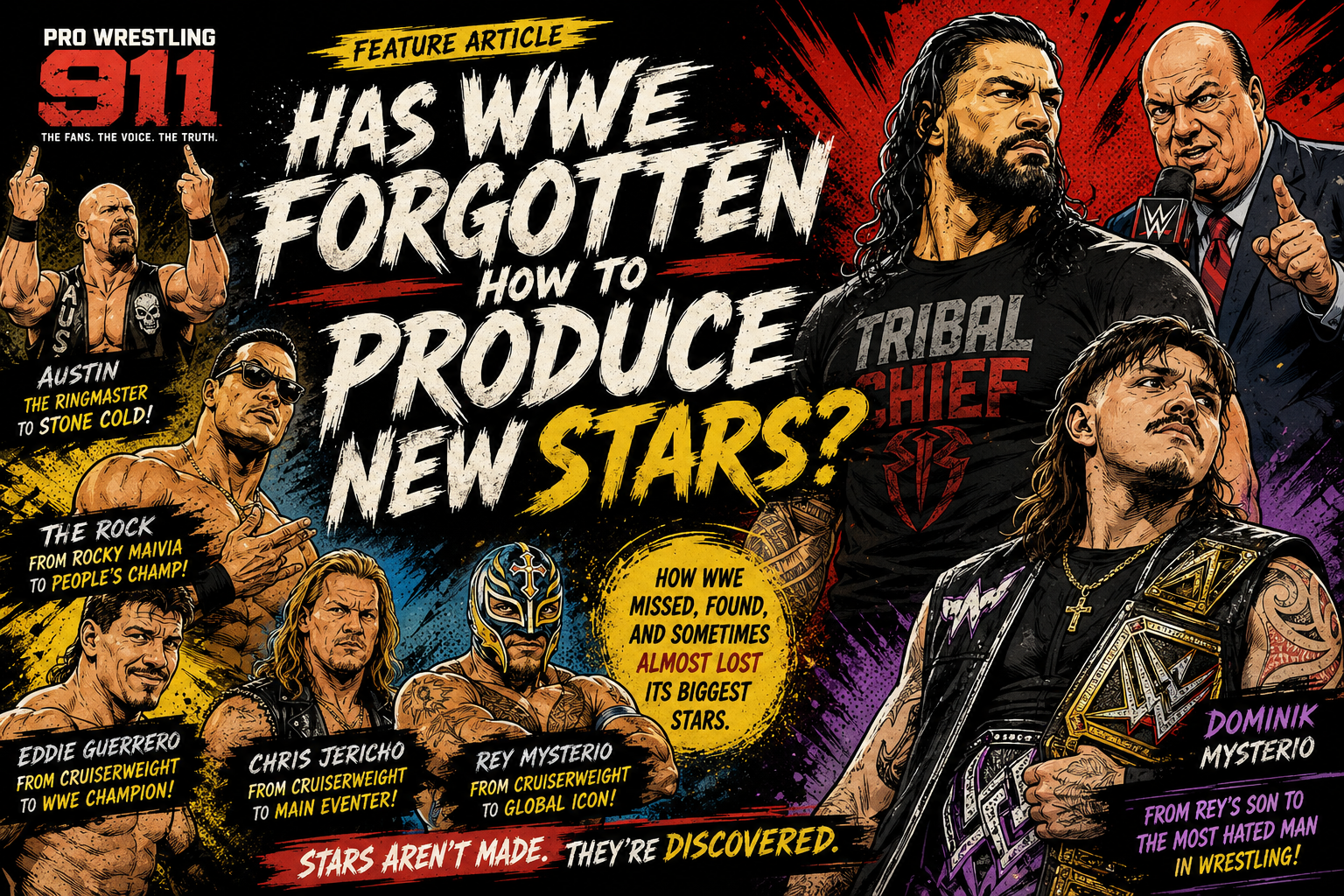
This article examines WWE’s complicated history of creating new stars, from nearly missing the potential of Steve Austin, The Rock and John Cena to giving former WCW cruiserweights like Eddie Guerrero, Chris Jericho and Rey Mysterio room to become main-event icons. Using Roman Reigns and Dominik Mysterio as modern examples, it argues that true stars aren’t manufactured by a formula—they emerge when WWE recognizes what makes a performer unique, gives them room to evolve, and knows when to get out of the way.
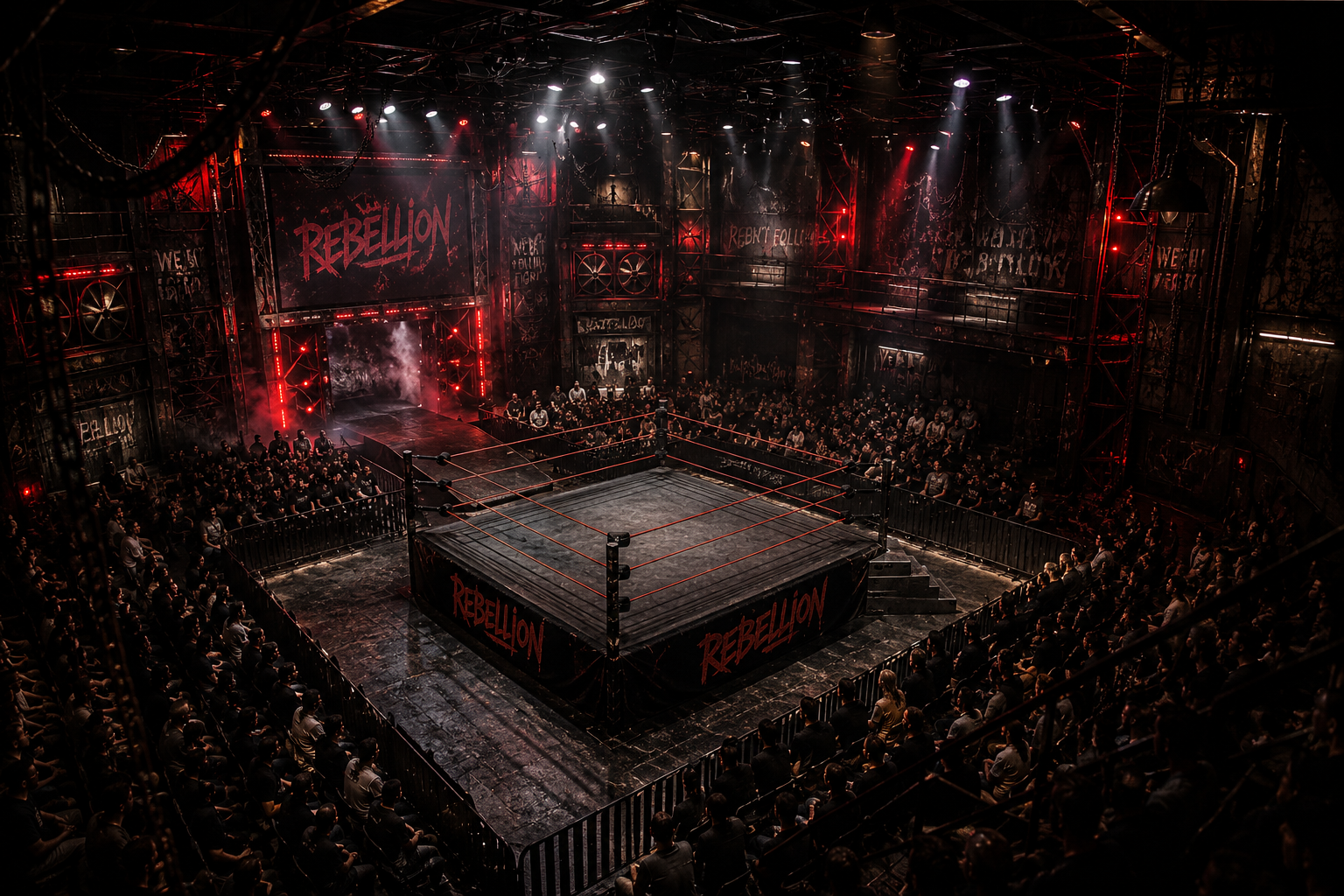
WWE’s Next Generation shouldn’t just have new stars—it should have a completely new visual identity. Raw and SmackDown should feel like two different companies, with unique stages, lighting, presentation and commentary teams, including the potentially incredible pairing of John Cena and Paul Heyman.
PLEs should receive the same treatment. Royal Rumble, SummerSlam, Survivor Series and especially WrestleMania should each have distinctive sets instead of relying on interchangeable giant LED screens. Bring back physical structures and memorable designs like the iconic SmackDown fist, while using modern technology to enhance them.
Twenty years from now, fans should be able to see a single screenshot and immediately recognize this era.
New stars deserve a new WWE—not just new graphics on the same old stage.
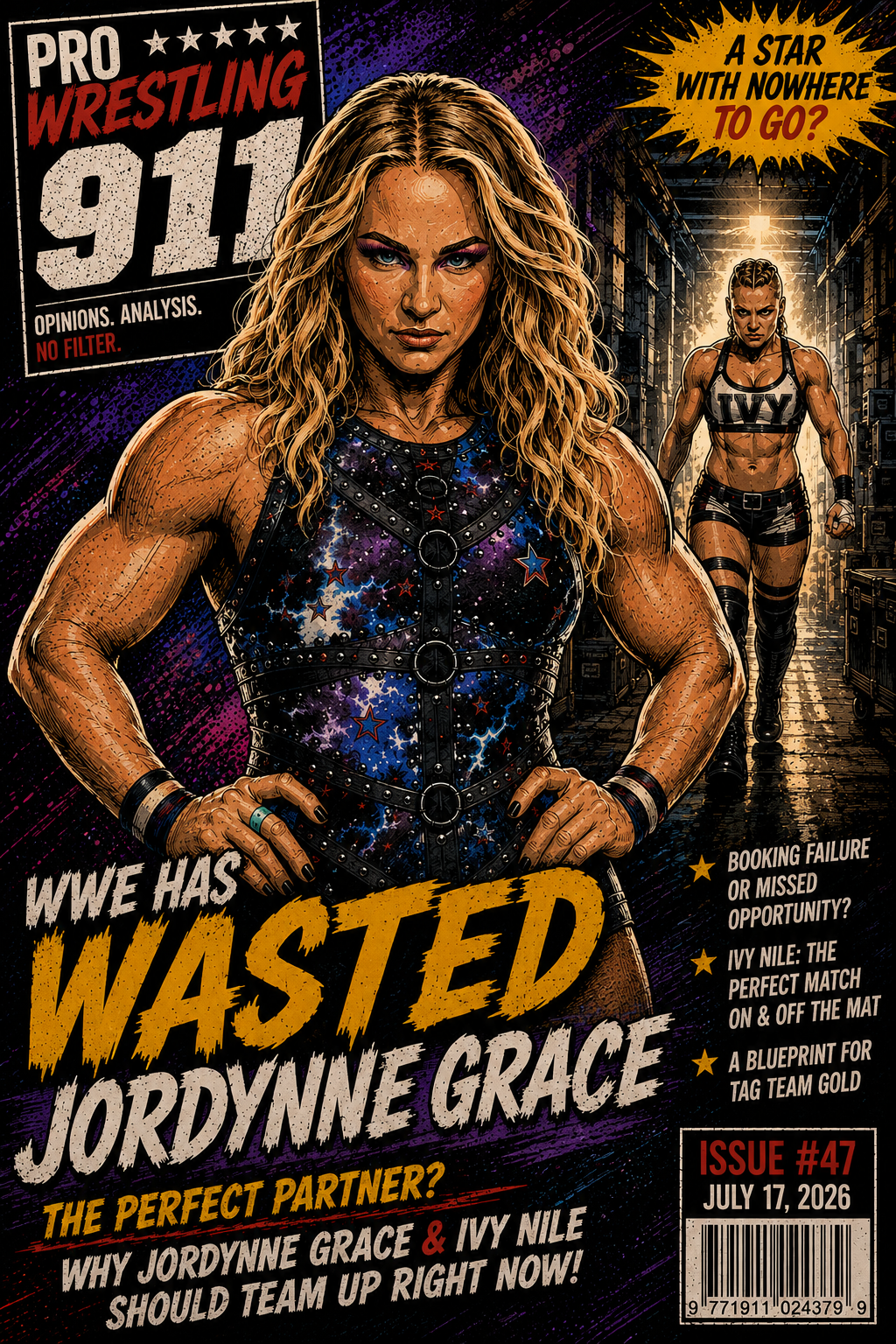
Jordynne Grace arrived in WWE with years of experience, championship pedigree, and one of the strongest fan followings outside the company. Yet instead of becoming a major player on the main roster, she has largely disappeared from television. This editorial examines WWE’s reliance on a small group of established stars, why talented wrestlers like Grace struggle to break through, and how pairing her with Ivy Nile could create one of the most dominant women’s tag teams in recent memory while injecting new life into the Women’s Tag Team Division.
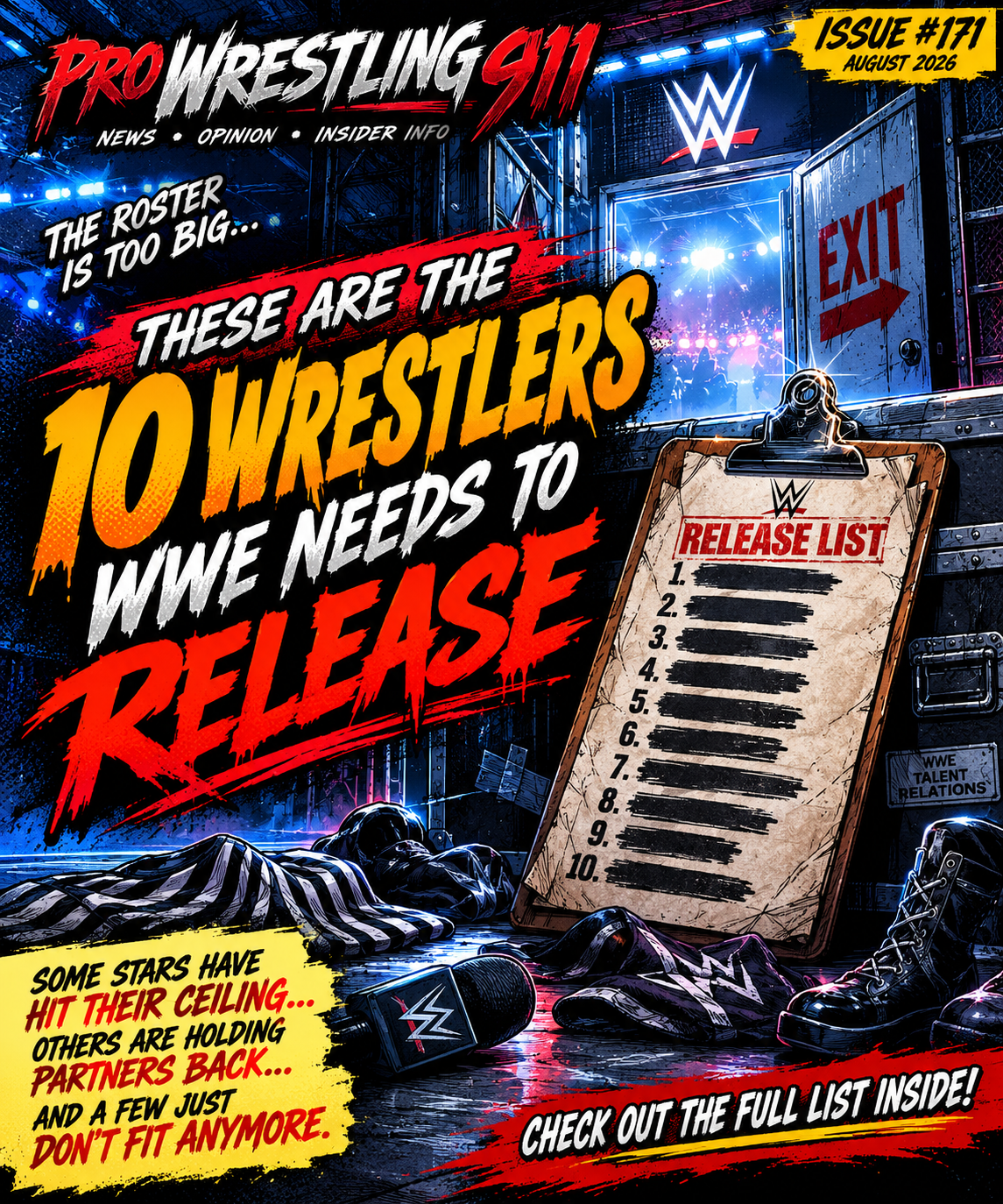
WWE has one of the deepest rosters in wrestling history—but bigger doesn’t always mean better. From stars who have reached their ceiling to veterans taking valuable TV time and wrestlers simply lacking what today’s WWE demands, we count down the 10 names WWE would be better off releasing. Some picks are understandable. Others are guaranteed to piss people off.
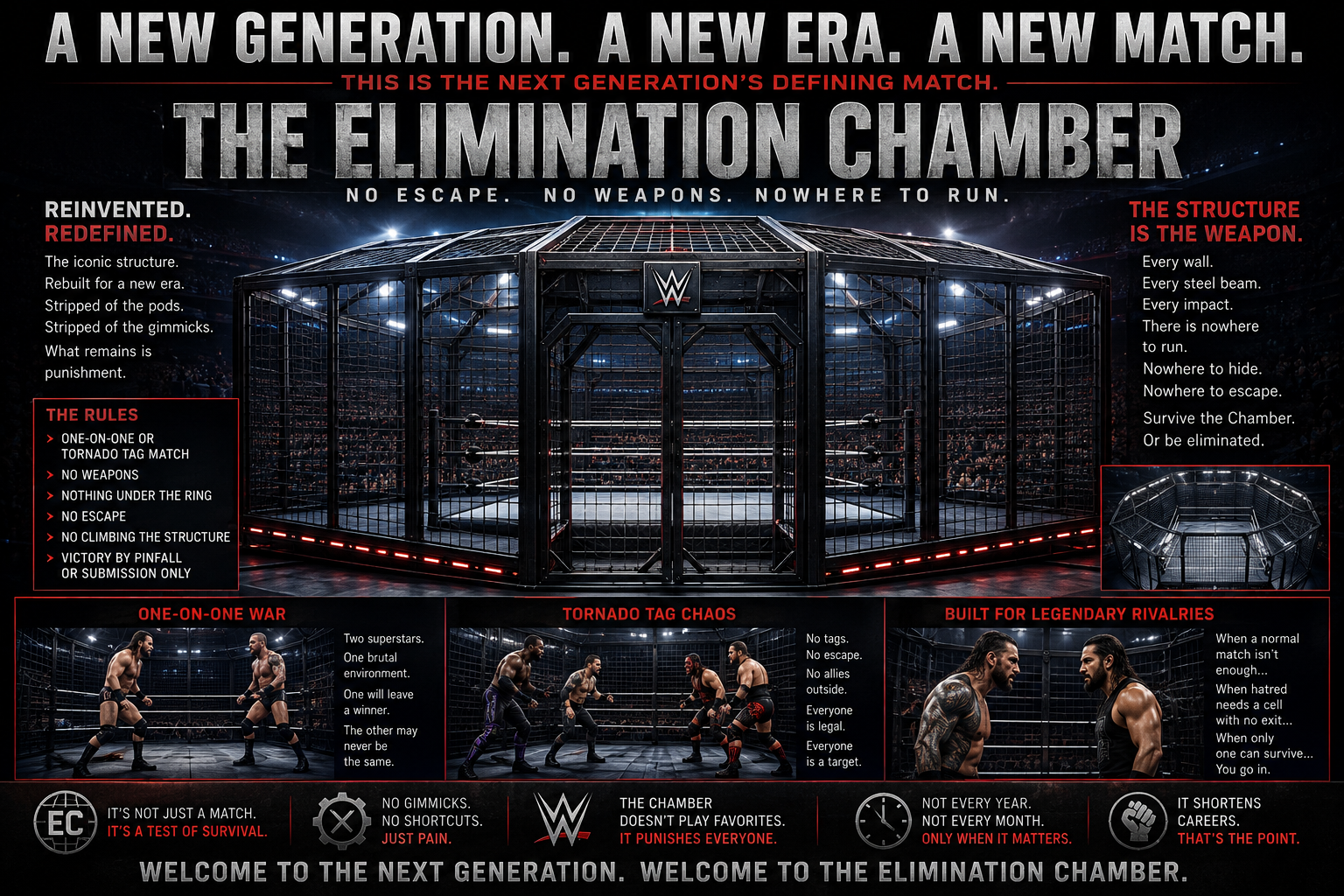
Every generation of WWE has had a match that helped define it, from the steel cage and ladder match to Hell in a Cell, the Elimination Chamber and WarGames. The Next Generation deserves one of its own.
Instead of combining existing gimmicks or creating something unnecessarily dangerous, WWE could reinvent a structure it already has: the Elimination Chamber. Remove the pods and timed entrances, reinforce the structure and turn it into a brutal one-on-one or tornado tag environment with no weapons, no escape and no fighting on the roof.
Two opponents enter. The Chamber locks. Victory comes only by pinfall or submission.
Most importantly, don’t make it an annual obligation. Save it for rivalries intense enough to require it.
The Elimination Chamber would no longer be about eliminating multiple competitors.
It would be about surviving the Chamber itself.
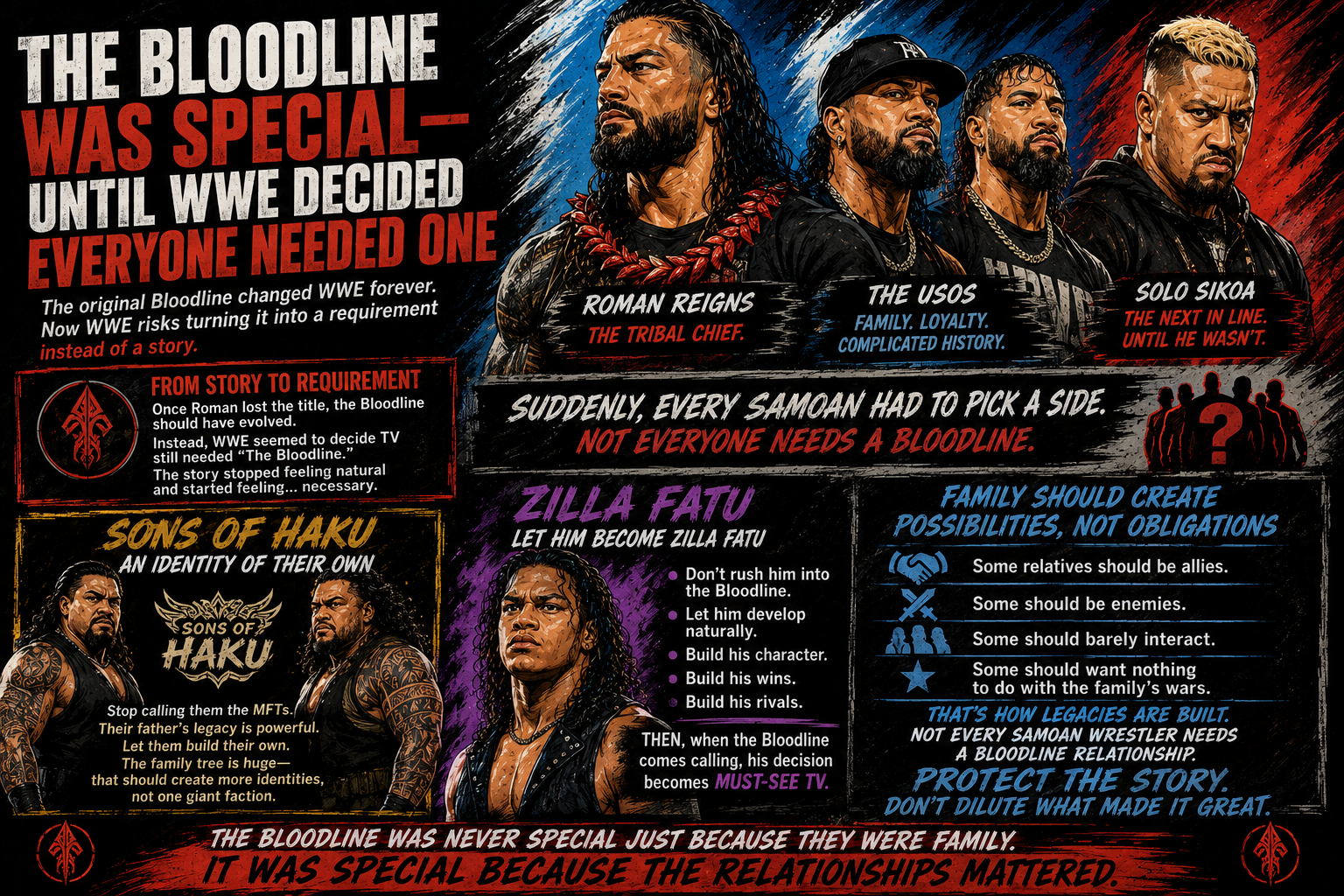
The original Bloodline worked because Roman Reigns, The Usos and Solo Sikoa had relationships that developed naturally. After Roman lost the championship, however, keeping the Bloodline alive began feeling more like a television requirement than an organic story. Now, nearly every Samoan wrestler seems destined for another family faction. The Sons of Haku deserve their own identity, and Zilla Fatu needs time to become his own star before joining—or rejecting—the Bloodline becomes must-see television. Family connections should create possibilities, not obligations.
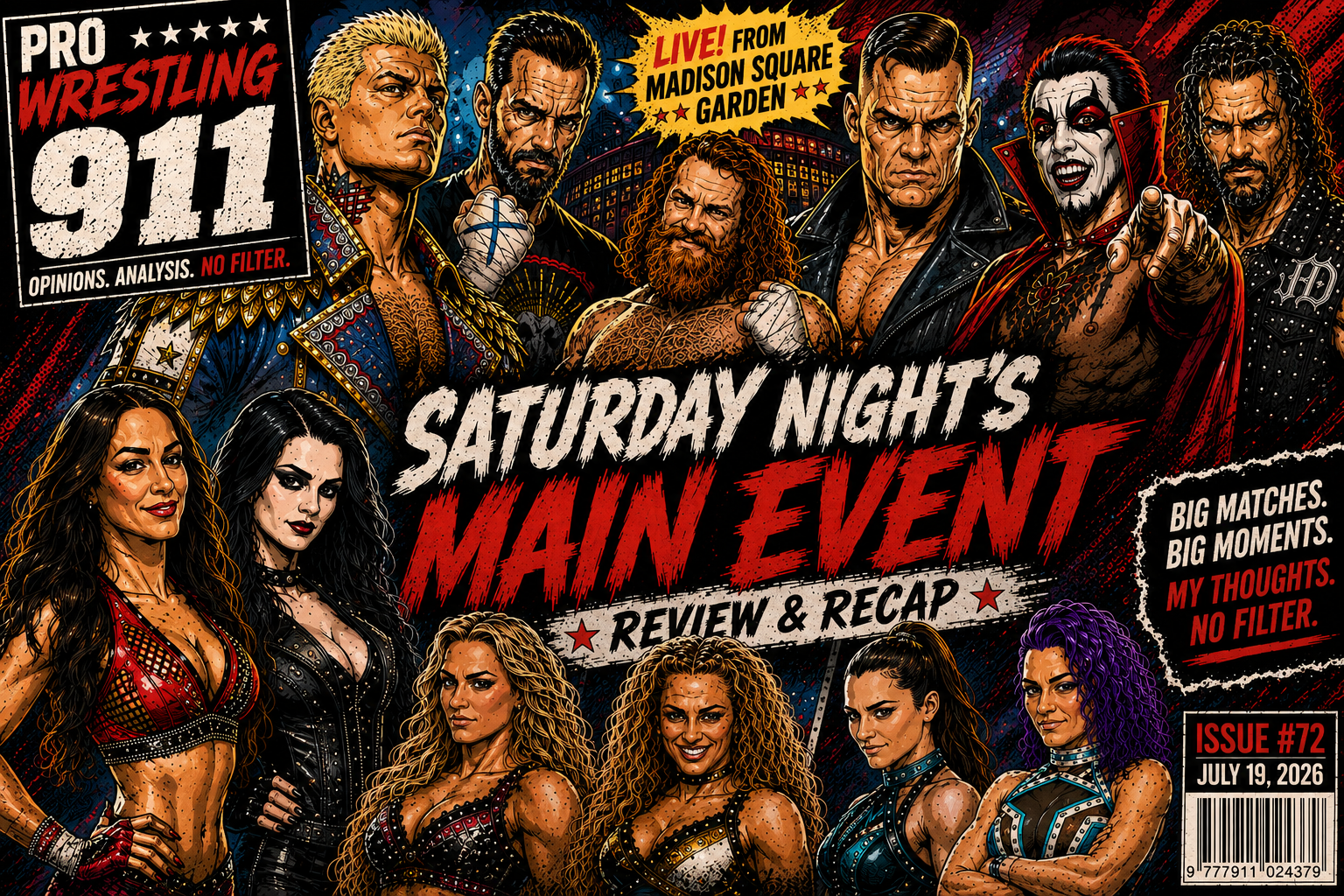
Saturday Night’s Main Event delivered some strong in-ring action, particularly Lyra Valkyria vs. Bayley, but WWE once again relied too heavily on celebrity appearances and NBA players instead of showcasing its own roster. While the wrestling itself was generally solid, questionable finishes, inconsistent storytelling, and an overreliance on promos and outside involvement kept the show from reaching its full potential. With SummerSlam approaching, WWE has the talent to let the wrestling speak for itself—it simply needs to stop getting in its own way.
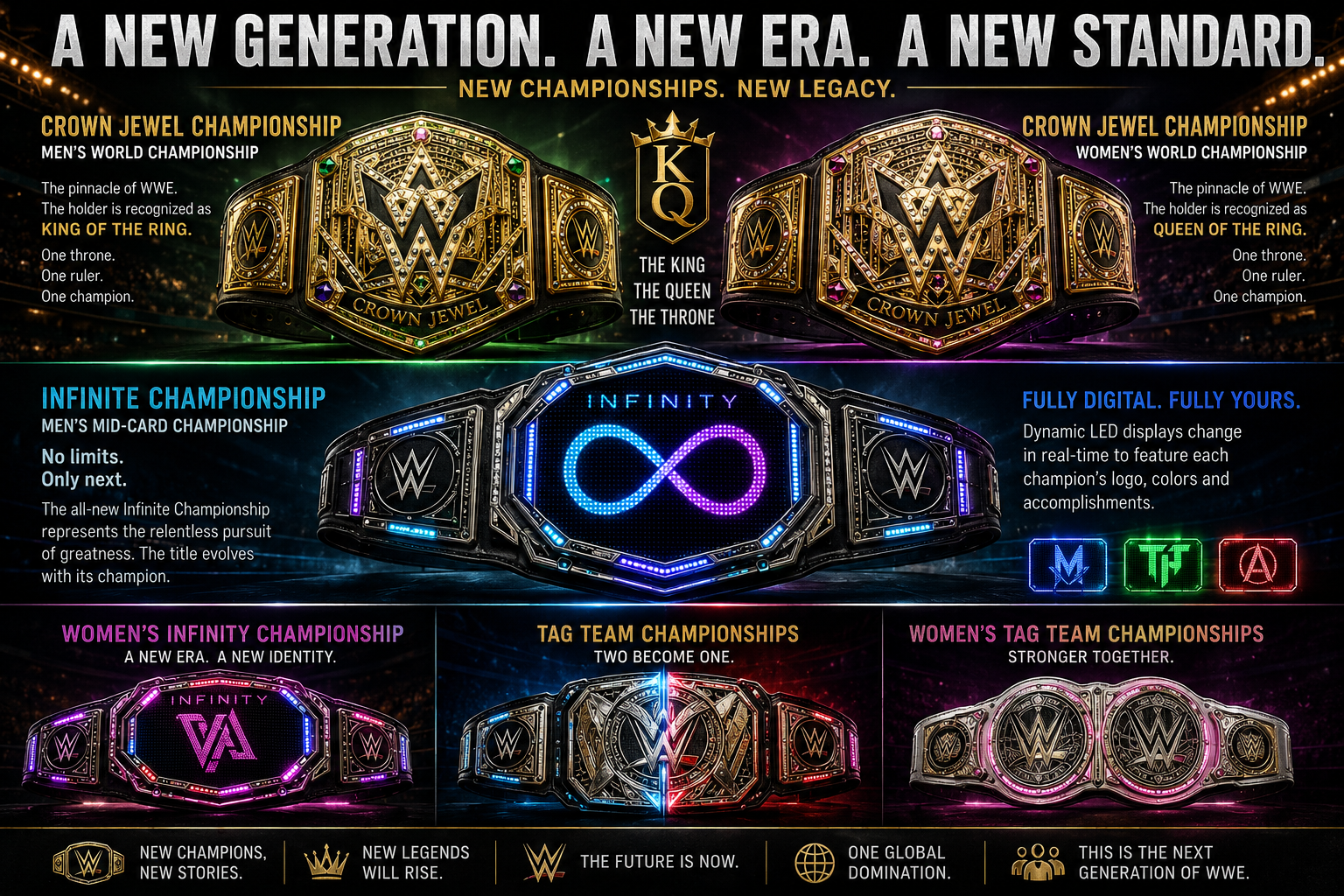
A new generation of WWE deserves championships that belong to them. The Crown Jewel Championship already looks worthy of being WWE’s top prize, so instead of appearing once a year, it should become the company’s permanent world championship—with its holders officially recognized as King and Queen of the Ring.
Even the legendary Intercontinental Championship eventually deserves a proper retirement. In its place, WWE could introduce the futuristic Infinity Championship inspired by WWE 2K, complete with LEDs and a fully digital face that instantly changes to reflect each new champion.
The same philosophy should extend throughout WWE’s women’s and tag team divisions: new names, new designs and new identities. The championships of the past created decades of history. Now it’s time to give the Next Generation the opportunity to create traditions of their own.
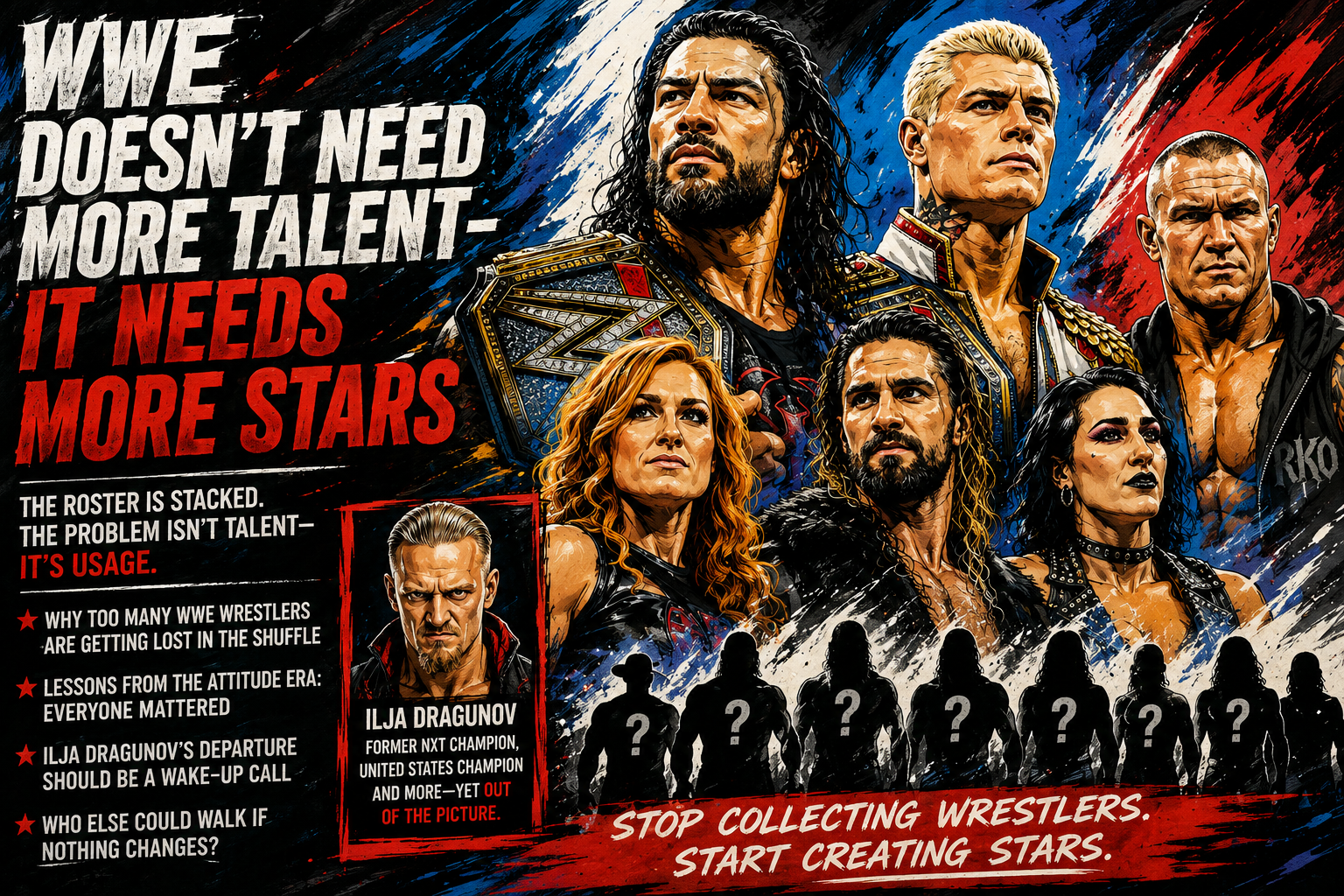
WWE has one of the deepest and most talented rosters in wrestling, but too much of that talent is getting lost in the shuffle while the same handful of stars dominate the biggest stories. During the Attitude Era, even wrestlers outside the main event felt important and could realistically move up the card. Today, that upward mobility feels increasingly rare. Ilja Dragunov’s departure highlights the problem: WWE doesn’t need more talent—it needs to consistently use the talent it already has and make more of its roster feel like legitimate stars.
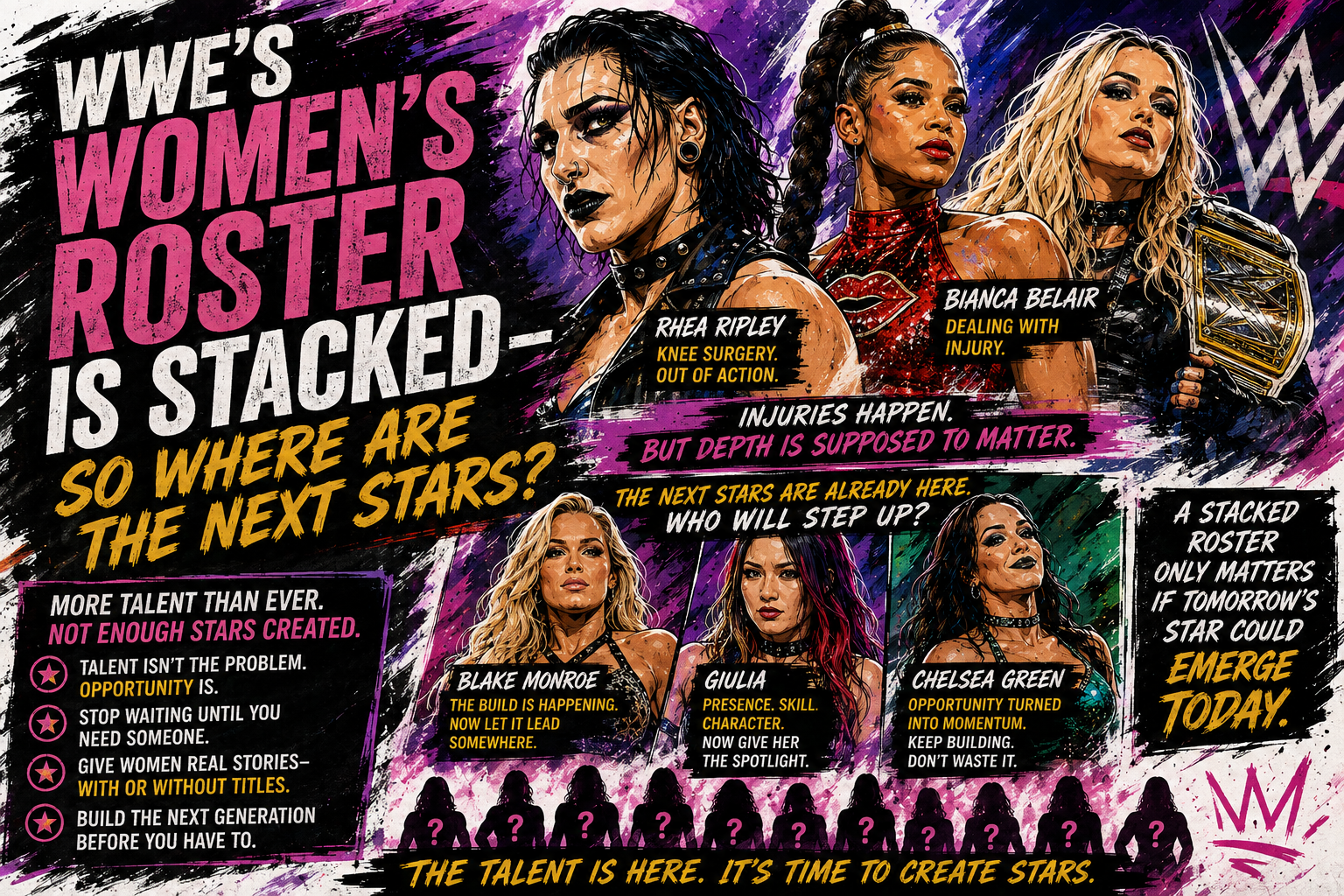
WWE’s women’s roster may be deeper than ever, yet injuries to established stars have exposed a major weakness: WWE hasn’t consistently built the next generation strongly enough to step into their places. The talent is already there—from Chelsea Green to Giulia, Blake Monroe and a loaded NXT pipeline—but talent alone doesn’t create stars. WWE needs to give more women meaningful stories, consistent television time and opportunities outside the championship picture. A stacked roster only matters if the audience believes the next star could emerge at any moment.
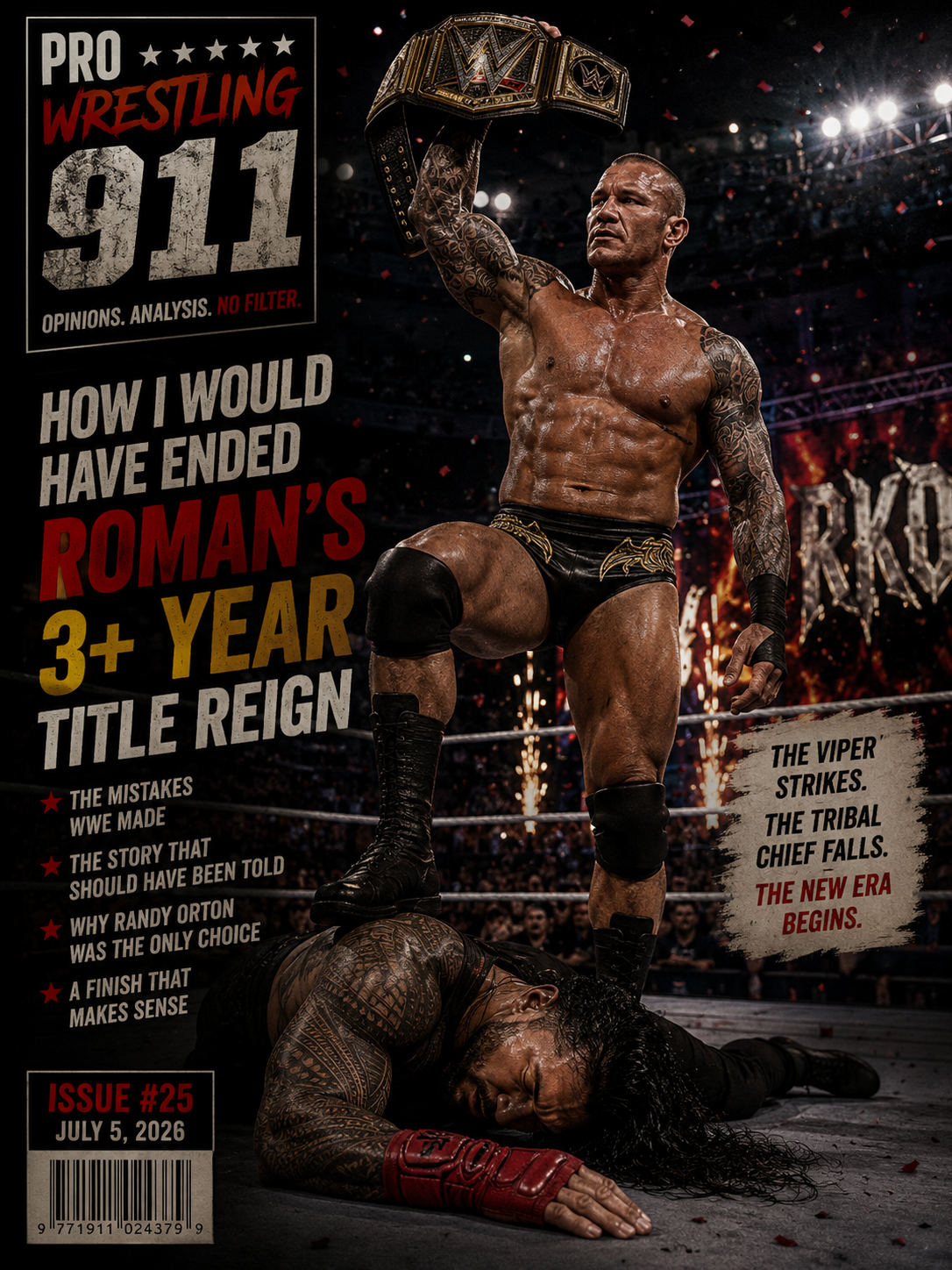
Roman Reigns' historic championship reign deserved an ending that fans would remember forever. Instead of Cody Rhodes ending the streak, this fantasy booking shows how Randy Orton, aided by Matt Riddle and a WrestleMania Money in the Bank cash-in, could have created one of the most emotional, shocking, and unforgettable title changes in WWE history.
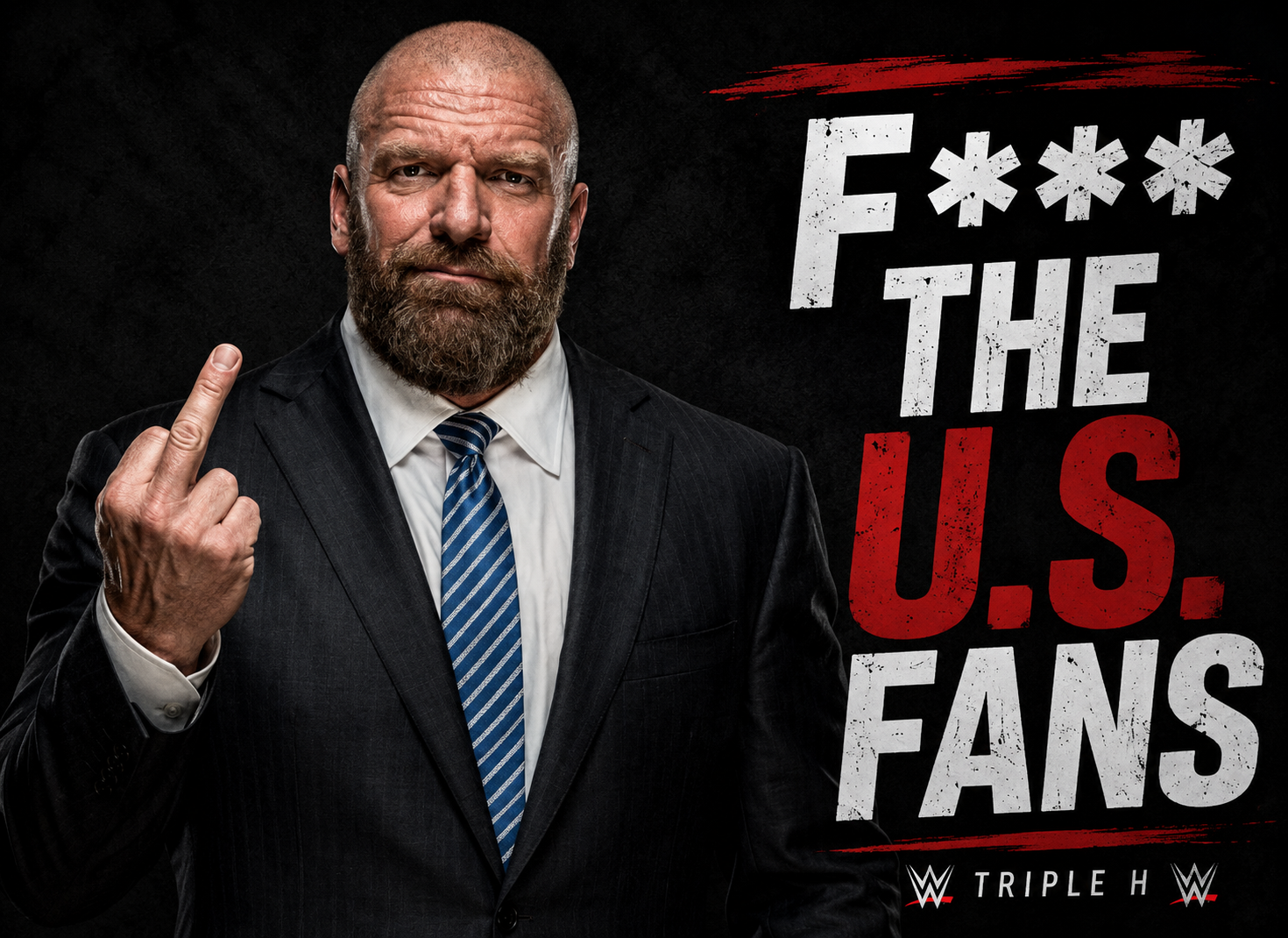
WWE's move to Netflix promised a new era, but American fans ended up with a more fragmented and expensive viewing experience than ever before. While international viewers get virtually all WWE programming through a single Netflix subscription, U.S. fans are forced to juggle multiple services just to follow the product. Add in excessive commercials, predictable booking, overused gimmick matches, and a growing reliance on the same handful of stars, and it's easy to see why many fans feel WWE is delivering less value despite charging more than ever.
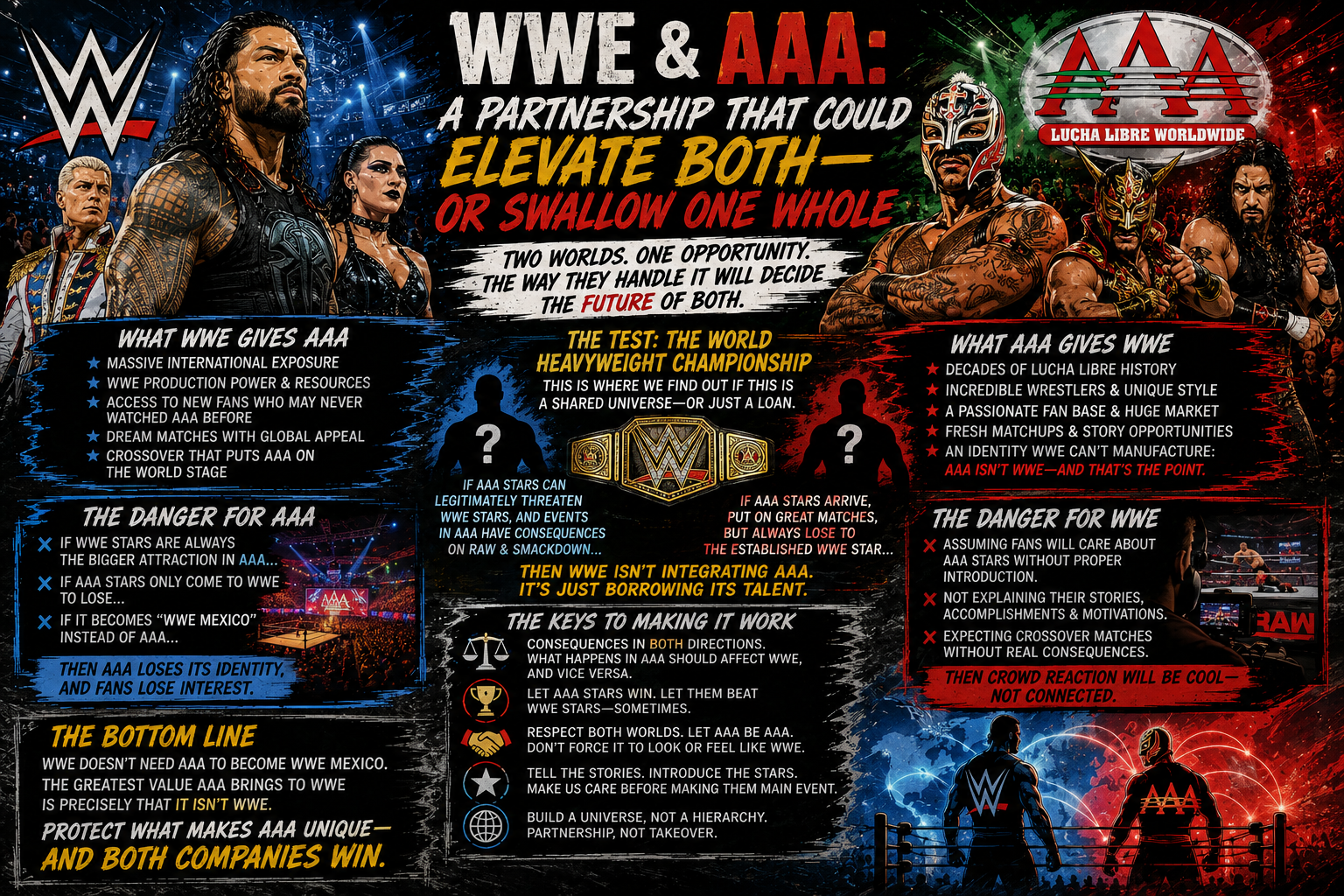
WWE and AAA have the opportunity to create a truly interconnected international wrestling universe, but only if both promotions are allowed to matter. WWE gives AAA enormous exposure, while AAA gives WWE history, lucha libre culture and a distinct identity it cannot manufacture. The danger comes if AAA becomes little more than WWE’s Mexican territory. AAA stars need meaningful wins, stories must have consequences in both companies, and the upcoming World Heavyweight Championship opportunity needs to feel legitimate. WWE shouldn’t turn AAA into WWE Mexico—the partnership works best if AAA remains unmistakably AAA.